
Finding reliable wholesale partners for Casual Women Wear takes more than comparing catalog prices. In 2026, buyers must weigh fabric quality, fit consistency, production capacity, and realistic delivery schedules. A supplier may offer attractive basics, yet struggle to repeat the same color or measurements across later orders. That matters when customers expect familiar styles to remain available. Small details matter.
Request samples before committing to a large purchase. Check stitching, fabric weight, seam strength, and how garments look after washing. Ask for clear information about minimum order quantities, size ranges, restocking times, and customization options. A polished product page is useful, but it cannot replace direct answers. Some suppliers may not meet every requirement, and that is worth acknowledging early.
This guide explores wholesale suppliers serving boutiques, online retailers, and other clothing businesses. It focuses on practical comparison points, including product range, sample access, communication, shipping estimates, and reorder reliability. Buyers should confirm current terms directly, since availability and prices can change. A low unit cost can lose its appeal when sizing runs unevenly or popular items stay out of stock. There is no perfect supplier for every business. The best choice depends on your customer, budget, order volume, and tolerance for risk. Use the supplier profiles as a starting point, then verify the details that matter most to your operation.
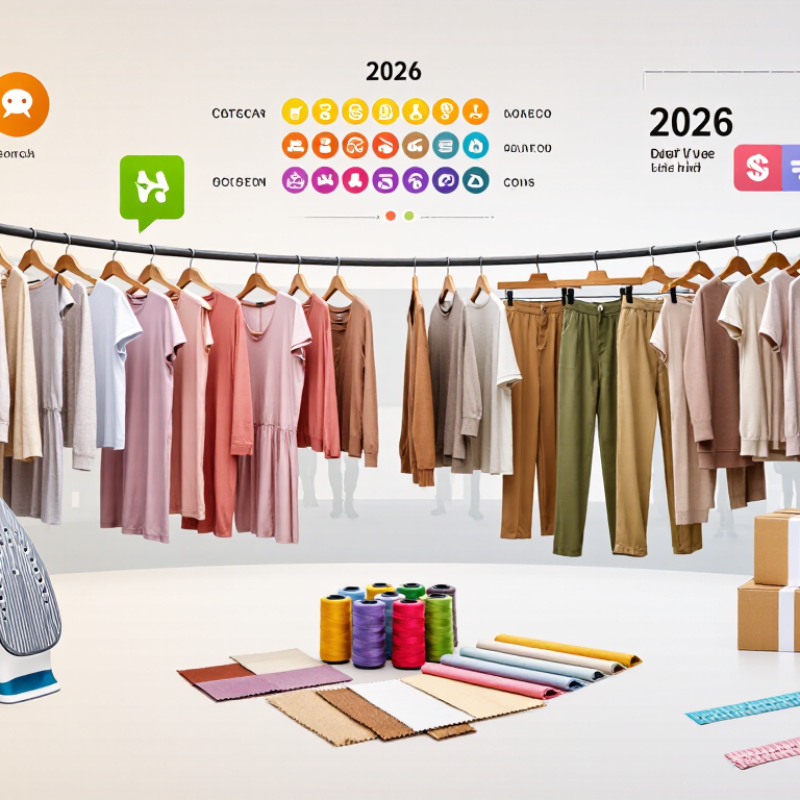
In 2026, a casual women’s wear wholesale supplier is more than a source of relaxed tops, knitwear, and easy-fit trousers. It should provide consistent sizing, clear fabric specifications, and dependable restocking timelines. Ask for measurements, fiber content, care details, and sample garments before placing a bulk order. Check whether a soft cotton jersey keeps its shape after washing. Small details matter.
Material transparency matters, too. Textile Exchange’s Materials Market Report 2024 estimates global fiber production reached 124 million tonnes in 2023, with growth projected to continue. That scale makes specific sourcing information useful: suppliers should identify fiber types and explain what documentation they can provide. A polished product sheet is not proof by itself. Request supporting records where available, and confirm that product descriptions match samples. Good suppliers also communicate minimum order quantities, production lead times, and how they handle size or color inconsistencies. A checklist can still miss things. I would compare actual samples and reorder performance, not just promises, before treating any supplier as a long-term partner.
A verifiable supplier check: EU textile-fibre composition labelling thresholds
For wholesale buyers selling into the EU, ask suppliers for accurate fibre-composition details that support compliant garment labels. Under Regulation (EU) No 1007/2011, a product with multiple textile fibres may use the 85% rule when one fibre accounts for at least 85% by weight. When no fibre reaches 85%, fibres present at 5% or more are generally named individually.
Source: Regulation (EU) No 1007/2011, Article 9. These are EU labelling thresholds, not universal supplier-quality standards.
Casualwear retailers can source through several supplier models, each solving a different problem. Full-package manufacturers manage fabric, cutting, sewing, and finishing, making them useful for coordinated basics such as jersey tees and fleece sets. Fabric and garment wholesalers offer ready-made stock with lower development effort, though color and size availability may change quickly. Private-label producers add custom labels or small design adjustments, but minimum order quantities can be less forgiving. Sourcing agents connect retailers with factories and handle communication; their value depends on transparent fees and reliable quality checks. There is no perfect fit.
The McKinsey and Business of Fashion State of Fashion 2024 report projected 2–4% growth for the global fashion industry in 2024, underscoring a market where careful buying matters. That figure covers fashion broadly, not casualwear alone.
Retailers should compare landed cost, lead time, replenishment options, and defect policies—not just unit price. Domestic wholesalers may support faster restocks, while overseas manufacturers can offer broader customization but often require longer planning. Ask for a size-set sample, inspect seam tension and fabric recovery, and confirm whether repeat orders use the same material. A product photo is not enough. I would also question very low minimums: they can help new shops test demand, but sometimes conceal limited stock depth or inconsistent sizing.
How to Compare Product Range, Quality, Pricing, and Order Terms
A useful comparison starts with the clothes your customers actually wear. Check whether a supplier offers consistent basics, seasonal pieces, and a practical size range. Ask for fabric details, garment measurements, and close-up photos of seams, hems, and fastenings. A product page can look polished; a sample tells you more. Check how the fabric feels after washing, and compare measurements against the size chart. Small differences matter.
Compare the full landed cost, not just the unit price. Include sample charges, shipping, packaging, and any fees for smaller orders. Ask about minimum quantities, production lead times, restocking, and what happens when delivered items have defects. Get key terms in writing. A spreadsheet helps, though it can make uncertain delivery estimates look more reliable than they are. Allow room for that uncertainty.
Tips: Request one sample in a common size and one in a less common size. Photograph both beside a measuring tape. Ask the supplier to confirm stock levels and delivery dates by email. Compare the answers, not only the prices. If a response is vague, follow up before placing a larger order. Samples may still differ from bulk production, so consider a small first order before expanding.
How to Check Supplier Reliability, Shipping, and Compliance
A polished website is not proof of a dependable supplier. Check its registered business details, factory or warehouse address, and recent trade references. Request a sample, then compare its stitching, fabric weight, sizing, and labels with the written product specification. Ask who handles quality checks when production gets busy. Get the answer in writing. One good sample cannot guarantee every carton will match, and that is easy to overlook.
Confirm production time, dispatch date, shipping method, and who pays each transport charge before placing an order. Ask for a sample shipping schedule and tracking details. Check carton dimensions and packing lists; these affect storage and freight costs. A small trial order can reveal delays or inconsistent packing. Build in a buffer. Supplier estimates can change, even when communication is prompt.
Compliance depends on where the clothing will be sold. Ask for material composition, care instructions, country-of-origin details, and relevant test reports for the destination market. Verify that documents match the exact fabric and product being ordered, and check dates and issuing organizations. Requirements can change, so confirm them with a qualified compliance professional or local authority. Paperwork can look complete and still miss a production change. Keep copies of specifications, approvals, and shipping records for each order.
2026 Best Casual Women Wear Wholesale Suppliers?
How to Match a Wholesale Supplier to Your Store's Needs
The right wholesale supplier is not simply the one with the lowest unit price. It is the one whose products, order terms, and delivery rhythm fit your shop. Start with your customer: Do they look for soft cotton basics, relaxed weekend sets, or polished casual pieces? Compare fabric details, size ranges, color options, and product photos against what shoppers actually ask for. Small details matter. A pale beige can look quite different under warm store lighting.
Check the practical terms before placing a large order. Review minimum quantities, sample availability, restock timing, shipping costs, and how the supplier handles damaged items. Ask for clear measurements, not just labels such as “true to size.” Then compare a sample with your own size chart. One sample cannot prove every batch will match, but it can reveal thin fabric, uneven seams, or a confusing fit. Keep written notes. They help.
Your sales calendar should guide the final choice. A supplier with dependable restocks may suit a store built around core basics, while a small boutique may need frequent new styles and modest quantities. Track sell-through by size and color, then use that record when discussing future orders. I would not treat a spreadsheet as the whole answer; customer comments can be messy, and sometimes one popular piece is simply a lucky hit. Leave room to adjust, and test new suppliers with a manageable order before expanding.
The ranges below are general planning estimates for common supplier models, not guaranteed terms. Minimum order quantities, prices, and delivery times vary by product, destination, season, and supplier; confirm current details before ordering.
| Supplier Model | Best Fit for | Typical Minimum Order | Indicative Fulfillment Time | Main Advantages | Points to Check | Useful Questions Before Buying |
|---|---|---|---|---|---|---|
| Domestic ready-to-ship wholesaler | New stores, small boutiques, and retailers testing styles with limited inventory. | Often a few pieces per style, or a low order minimum; some sellers allow single-piece purchases. | Usually a few business days for dispatch, plus local transit time, if items are in stock. | Lower initial commitment, faster replenishment, and easier communication or returns in the same market. | Confirm live inventory, size availability, shipping charges, and whether sale items can be returned. | Can I mix sizes or styles? How often is stock updated? What is the restock schedule? |
| Overseas ready-stock wholesaler | Retailers seeking a broad selection or lower unit costs while purchasing finished garments. | Commonly a small pack or several units per style; minimums differ by seller and product. | Often several weeks from order to delivery, depending on handling, shipping method, and customs. | Access to many finished styles without commissioning a production run. | Check landed cost, import duties, delivery estimates, fabric details, sizing consistency, and dispute procedures. | Are the garments physically in stock? Can you provide measurements and recent product photos? |
| Private-label apparel manufacturer | Established stores developing exclusive designs, labels, or customized colors and trims. | Often tens to hundreds of pieces per style or color; custom fabric or detailing can raise the minimum. | Sampling and production commonly take multiple weeks; custom development may take longer. | Greater control over design, branding, materials, and product differentiation. | Ask about sample fees, production capacity, quality standards, payment milestones, and ownership of artwork or patterns. | What is the minimum per color and size? Is a pre-production sample included in the timeline? |
| Small-batch or local maker | Independent boutiques prioritizing small runs, distinctive pieces, or closer production oversight. | May accept low quantities, but capacity and minimums vary; some styles require a larger batch. | Depends on workshop capacity and fabric availability; made-to-order work can take several weeks or more. | Potentially smaller test runs, direct communication, and more flexibility on selected details. | Verify repeat-order capacity, fabric sourcing, workmanship, and whether the quoted price includes finishing and packaging. | Can the same fabric and fit be repeated? What happens if a sample needs revisions? |
| Marketplace-based wholesale seller | Buyers comparing multiple sellers and product options before choosing a source. | Ranges from single units to multi-piece packs, depending on the seller and listing. | Varies by seller location, stock status, processing time, and shipping option. | Convenient product discovery and, on some platforms, centralized order records or buyer protections. | Assess the individual seller, listing accuracy, sample availability, transaction terms, and platform protection limits. | Is the seller the manufacturer or a reseller? Are product measurements and material composition listed? |
| Faire-and-reorder focused wholesale account | Stores wanting to build a recurring assortment and manage repeat purchases through wholesale ordering systems. | Set by the individual seller; opening-order and reorder minimums may differ. | Depends on seller location, dispatch schedule, and the shipping service used. | Can simplify assortment discovery and reordering when the seller maintains consistent product records. | Check account eligibility, payment terms, shipping costs, return rules, and whether popular items are replenishable. | What are the opening and reorder minimums? How are backorders and damaged goods handled? |