How to Choose the Best Socks for Winter Comfort?
When it comes to winter comfort, choosing the right socks is essential. Socks in winter can make or break your experience in cold temperatures. The right pair keeps your feet warm and cozy, yet breathable enough to avoid moisture buildup. Many people underestimate the importance of quality socks, thinking any would suffice. However, poor choices can lead to discomfort and even frostbite in extreme conditions.
Understanding the materials used in winter socks is crucial. Wool, for instance, offers excellent insulation and moisture-wicking properties. Cotton, on the other hand, tends to retain moisture, which can lead to cold feet. Experts often recommend looking for blends that include synthetic fibers for added durability. Not all socks are created equal, and the options can be overwhelming.
Finding the perfect pair requires attention to fit and thickness. Thick socks aren’t always better; they may not fit well in tight boots. A sock that fits poorly can cause blisters and discomfort. Keep in mind that even the best socks require care. Washing and drying them properly ensures longevity and performance. This winter, invest time in selecting the right socks for a comfortable experience.
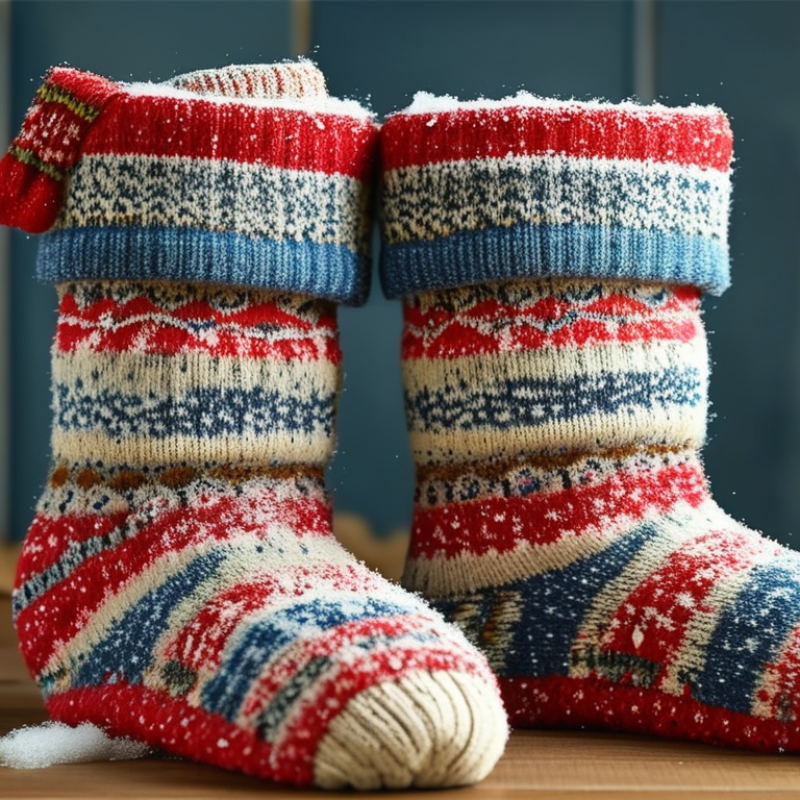
Understanding Sock Materials: Wool, Synthetic Fibers, and Blends
When choosing socks for winter comfort, the materials play a crucial role. Wool is a standout option. Its natural fibers trap heat while allowing moisture to escape. This means your feet stay warm without becoming clammy. Look for merino wool if you want a softer, less scratchy feel against your skin. However, pure wool may not be durable and can wear out quickly. You might find yourself replacing them more often than desired, which can become frustrating.
Synthetic fibers offer different benefits. They are often lightweight and quick-drying. Brands use materials like polyester or nylon to enhance durability. Some blends combine synthetic fibers with natural ones, balancing warmth and breathability. While these blends can be moisture-wicking, they may lack the same level of warmth as wool. Achieving the perfect blend can sometimes feel hit-or-miss. It's essential to try different types to find the right level of comfort for your needs.
Ultimately, the best sock will depend on your specific activities. If you're hiking, you might prefer thicker socks with cushioning. For daily wear, a medium thickness could suffice. Experimenting with different sock types can teach you a lot about your preferences. Understanding the properties of each material is vital for your winter comfort.
How to Choose the Best Socks for Winter Comfort?
| Material | Warmth | Moisture Wicking | Durability | Comfort Level | Best Use Case |
| Wool | High | Good | Moderate | Very Comfortable | Cold Weather Activities |
| Synthetic Fibers | Moderate | Excellent | High | Good | Active Sports and Outdoor Activities |
| Wool-Synthetic Blends | High | Very Good | Good | Comfortable | Versatile for Various Conditions |
| Cotton | Low | Poor | Low | Moderately Comfortable | Casual Use; Not Recommended for Cold Weather |
Importance of Sock Thickness in Winter Footwear Selection
When selecting socks for winter, thickness plays a crucial role. A report from the American Academy of Podiatric Sports Medicine indicates that sock thickness can significantly influence thermal comfort. In winter, thicker socks often provide better insulation against cold temperatures. They trap more air, which serves as a thermal barrier, keeping feet warm. This can be vital during outdoor activities, where cold feet can lead to discomfort or even frostbite.
However, thicker socks are not always the best choice. If too thick, they can create a tight fit inside shoes, reducing circulation. This can lead to cold feet instead of warmth. A study from the International Journal of Sports Medicine showed that the balance between thickness and fit is key. Socks should allow for snugness without compromising blood flow. Finding the right thickness may involve some trial and error.
Materials used also affect the effectiveness of sock thickness. Wool is often recommended for its moisture-wicking properties and insulation. A report by the Textile Research Journal suggests that blends of synthetic fibers can enhance durability while maintaining warmth. Choosing the best winter socks demands consideration of these factors. Ultimately, it’s about finding a sock that combines warmth, comfort, and fit for winter activities.
Winter Sock Thickness and Comfort Levels
Moisture Management: The Role of Breathability in Warm Socks
Choosing the right socks for winter involves considering moisture management and breathability. When your feet sweat, dampness can lead to discomfort. According to a study from the Journal of Athletic Training, breathable socks can reduce moisture buildup by up to 30%. This statistic underscores the importance of air circulation in the fabric choice.
Breathable materials, like merino wool and specialized synthetics, allow moisture vapor to escape. This process keeps your feet dry and warm. A report from the Textile Research Journal indicates that moisture-wicking fabrics can absorb moisture while also allowing it to evaporate quickly. While these fabrics excel, some users find them lacking in insulation. A balance is crucial.
Finding socks that prioritize breathability does not mean sacrificing warmth. However, some socks might trap heat during periods of extended use. It's essential to evaluate personal comfort and activity level. Real-world testing often reveals that what works for one may not work for another. Ultimately, understanding your needs is key.
Sock Fit and Cushioning: Ensuring Comfort During Winter Activities
When choosing socks for winter, fit and cushioning are crucial for comfort. A well-fitting sock should hug the foot without being too tight. Socks that are too loose may cause friction, leading to blisters. Look for options that offer arch support and a snug fit around the ankle.
Cushioning matters too. Extra padding in critical areas, like the heel and ball of the foot, can provide relief during outdoor activities. This helps to absorb impact and keeps your feet warm. Some people prefer thicker socks in winter, but they may make tight-fitting shoes uncomfortable. Experiment with different thicknesses to find what works for your footwear.
Tips for selection:
Choose materials that wick moisture away. Wet feet can lead to discomfort and even frostbite. Consider layering lightweight socks underneath thicker ones for added warmth without bulk. Always try socks on with the shoes you plan to wear them with. You want to ensure there's enough room, but not so much that they slip. It's all about finding balance.
Special Features: Thermal Properties and Anti-Slip Designs for Winter Socks
When it comes to winter comfort, the right socks can make a huge difference. Thermal properties are crucial. According to a report by the American Textile Manufacturers Institute, socks with moisture-wicking materials can maintain warmth and comfort. Wool and certain synthetic blends significantly outperform cotton in insulation. Wool can retain up to 80% of its insulating properties even when wet, making it a top choice for winter wear.
Anti-slip designs are equally important. Many injuries occur due to slips in icy conditions. A study from the National Safety Council suggests that proper grip is vital in preventing these accidents. Socks with rubberized grips on the sole can help reduce the risk of slipping. Look for designs that incorporate these features for increased safety and comfort. Not all socks offer these benefits, and the market can be confusing. Often, people choose appearance over functionality, leading to chilly feet and riskier outings.
Finding the balance between thermal properties and slip resistance creates the ideal winter sock. Trial and error may be necessary to find the perfect fit. Prioritize quality over quantity to enhance winter comfort. Remember, the wrong choice can lead to discomfort and even potential injuries.