Why Choose a Filter Bottle for Clean Drinking Water?
In recent years, the demand for clean drinking water has surged. People are becoming more aware of waterborne contaminants. This has led to a growing interest in the Filter Bottle. A Filter Bottle can provide an easy solution for accessing safe water, no matter where you are.
Many assume all bottled water is safe, but that's not always true. Several studies reveal the presence of microplastics in conventional bottled water. A Filter Bottle addresses these concerns with innovative filtration systems. These bottles effectively remove harmful contaminants, improving water quality.
Using a Filter Bottle reduces reliance on single-use plastics. This eco-friendly choice appeals to environmentally conscious consumers. However, one must consider the lifespan of the filter and maintenance needed. Understanding its limitations is crucial for long-term use. Ultimately, investing in a Filter Bottle could lead to healthier hydration habits. It’s a thoughtful choice that reflects a commitment to both health and sustainability.
Benefits of Using a Filter Bottle for Drinking Water
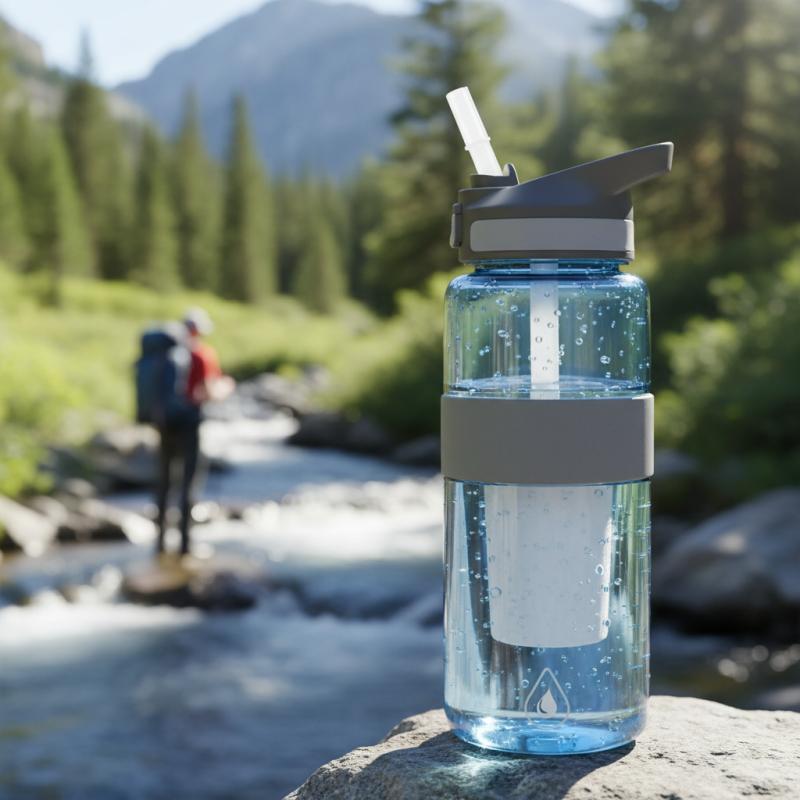
Filter bottles are becoming essential for anyone seeking clean drinking water. They offer convenience and peace of mind while on the go. These bottles are designed to remove harmful contaminants. As a result, they improve taste and smell, transforming tap or river water into refreshing hydration.
When choosing a filter bottle, consider your specific needs. Some filters are great for bacteria removal, while others focus on heavy metals. It's crucial to check the filter lifespan. Regular replacement is necessary to maintain effectiveness.
Tips: Always fill your bottle with fresh water. Stale water can harbor bacteria. Regularly clean your bottle, too. This practice enhances safety and longevity. Remember, even the best filters can’t remove everything. Stay informed about your water source and filter capabilities.
Why Choose a Filter Bottle for Clean Drinking Water? - Benefits of Using a Filter Bottle for Drinking Water
| Benefits | Description |
| Convenience | Easily portable and can be used anywhere, providing instant access to clean water. |
| Cost-effective | Reduces the need to buy bottled water, saving money in the long run. |
| Environmental Impact | Minimizes plastic waste by reducing reliance on disposable water bottles. |
| Health Benefits | Filters out pollutants and harmful substances for safer drinking water. |
| Taste Improvement | Enhances the taste of water by removing chlorine and other contaminants. |
| Versatile Usage | Suitable for various situations such as hiking, traveling, or everyday use. |
How Filter Bottles Work: The Filtration Process Explained
Filter bottles are gaining popularity for their ability to provide clean drinking water. Understanding how they work is crucial. The filtration process typically involves multiple stages. These stages remove contaminants such as bacteria, chlorine, and heavy metals. A report from the World Health Organization highlights that contaminated water causes over 500,000 deaths annually. This stat emphasizes the importance of efficient filtration.
Most filter bottles utilize activated carbon technology. This method is effective against odors and tastes, making water more palatable. A study from the Centers for Disease Control and Prevention indicates that activated carbon can reduce contaminants by up to 99%. However, it's important to note that not all filters are alike. Some may only target specific pollutants, raising questions about their overall effectiveness.
In addition to carbon filters, many bottles incorporate membrane filtration. This technology can remove smaller particles, further enhancing water safety. Research shows that microfiltration removes 99.9% of certain pathogens. Yet, some users may overlook regular maintenance of these bottles. Neglecting filter changes can lead to reduced performance over time. Regular checks and replacements are essential for ensuring clean water access.
Types of Contaminants Removed by Filter Bottles
Filter bottles provide a simple and effective way to enjoy clean drinking water. They are designed to remove various contaminants that can be found in natural water sources. Understanding what these filters can eliminate is key to recognizing their importance.
Common contaminants include bacteria, protozoa, and viruses. These microorganisms can cause illness if ingested. A quality filter effectively traps them, reducing health risks. Chemicals, such as chlorine and heavy metals, are also present in many water supplies. Filters can significantly decrease these harmful substances, improving taste and safety.
It’s also worth noting that not all filters are created equal. Some may remove larger particles but not microscopic pathogens. Users must research and choose based on their specific needs. This can be challenging, especially when information is overwhelming. Walking through the options can lead to a better understanding, but it often requires trial and error.
Water Contaminants Removed by Filter Bottles
Choosing the Right Filter Bottle for Your Needs
When selecting a filter bottle, consider your specific needs. Filters can vary in effectiveness. Some remove bacteria, while others tackle heavy metals. Understanding what contaminants are present in your water source is crucial. This helps you choose a bottle that suits your environment and health priorities.
Comfort is essential. Look for a bottle that is easy to carry and fills quickly. Weight matters, especially for outdoor activities. A lighter bottle can make a significant difference on long hikes. Test how the bottle feels in your hand. Is it easy to grip? Does it fit in your backpack’s side pocket?
Finally, assess filter longevity. Some filters last for hundreds of gallons, while others may need frequent replacement. This can affect your costs over time. Reflect on how often you'll use it daily or for travel. A bottle that needs constant replacement could lead to frustrations. Choose wisely, as this decision impacts your hydration experience.
Environmental Impact of Using Filter Bottles vs. Single-Use Plastics
The environmental impact of using filter bottles is significant when compared to single-use plastics. According to a 2021 report from the Ellen MacArthur Foundation, over 300 million tons of plastic are produced globally each year. A shocking percentage of this ends up in our oceans, harming marine life. Filter bottles offer a sustainable alternative. They reduce plastic waste by allowing users to refill and reuse.
Using filter bottles can significantly decrease your carbon footprint. One study estimated that using a reusable filter bottle can reduce the need for up to 167 plastic water bottles per person annually. By choosing a filter bottle, you contribute to a cleaner environment. Your choice not only benefits you but also helps protect our planet.
Tip: Always check the effectiveness of the filter in your bottle. Some filters may not remove harmful contaminants, leading to potential health risks. Regularly replace filters to maintain clean water quality.
Being mindful about your water sources is essential. While
filter bottles can reduce waste, they are not a perfect solution. Improper disposal of filters can still harm the environment. Always dispose of used filters responsively to minimize impact.