
How to Choose a Top Waist Trainer Factory in China?

Choosing a Waist Trainer Factory in China takes more than comparing prices or polished product photos. China remains a major manufacturing and export base. The WTO’s World Trade Statistical Review 2023 reports that China accounted for 14.4% of global merchandise exports in 2022. That scale creates options, but it does not guarantee that any individual factory can meet your specifications.

Quality-management expert Philip B. Crosby wrote, “Quality is free. It’s not a gift, but it is free.” His principle fits factory selection: prevent avoidable defects through clear requirements and checks. For waist trainers, ask how the supplier controls panel dimensions, stitching, closures, fabric consistency, and size grading. Request a sample, then compare its measurements and finish against your written specification. Ask who performs inspections and how rejected units are handled. Details matter.

A supplier’s catalogue is only a starting point. A convincing sample may not represent every production batch, and a factory’s stated capacity is not proof of consistent output. That part is easy to overlook. Request current documentation, confirm production steps, and agree on quality criteria before placing an order. Where possible, use an independent inspection service. No checklist removes every risk. Still, careful questions can help buyers distinguish a capable Waist Trainer Factory from a promising sales pitch—and make the choice with evidence rather than assumptions.
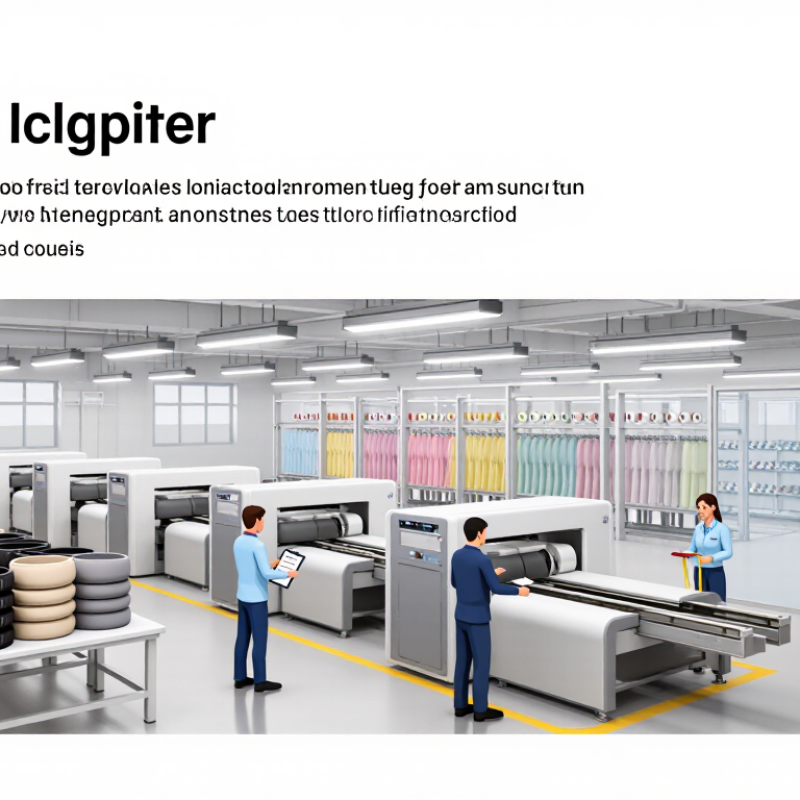
How to Choose a Top Waist Trainer Factory in China?

Define Your Waist Trainer Product Requirements

Before contacting a waist trainer factory, turn “comfortable, strong compression” into measurable product requirements. Specify target users, intended wear duration, coverage, closure type, and compression level. Fit is personal. Provide a size chart with waist, underbust, and hip measurements, plus tolerances for each size. A sample that fits one model proves little.

Define materials by fiber content, stretch and recovery, lining, and skin-contact feel. Textile Exchange’s Materials Market Report 2024 estimates global fiber production reached 124 million tonnes in 2023, with polyester accounting for 57%. Its 2023 report recorded 116 million tonnes in 2022, with polyester at 54%. These figures show why a fabric description alone is not enough; request exact composition and test results. Ask the factory to document seam strength, closure durability, and recovery after repeated stretching. Test it twice.

Write down construction details, too: boning type and spacing, panel count, stitch density, and edge finishing. Set acceptance criteria for rolling, pinching, and visible seam defects during movement. Do not promise body-shape changes; describe garment fit and support instead. I would still question any “one size fits all” claim. It sounds convenient, but real bodies vary, and your first sample may expose gaps in the spec.

How to Choose a Top Waist Trainer Factory in China?

Define Your Waist Trainer Product Requirements

Use a clear size specification when briefing factories. The chart shows an illustrative sample of target body-waist ranges by size, not a universal sizing standard. Confirm measurements, fit, and grading with your target market before approving samples.

Research and Shortlist Chinese Factories

Research and Shortlist Chinese Factories

Build a shortlist from apparel manufacturing directories, trade-fair exhibitor lists, and verified referrals. Search for factories that already make compression garments, not only general underwear. China’s National Textile and Apparel Council reported textile and apparel exports of about US$293.6 billion in 2023. That scale shows deep manufacturing capacity, but it does not prove any one supplier can make a reliable waist trainer. Ask for product-specific experience.

Request a factory profile, business registration details, production address, and a live video walk-through. Look for flatlock machines, elastic-testing tools, fabric inspection tables, and clear records for incoming-material checks. Ask who handles pattern grading and whether samples are made in-house. Ask for proof. A polished sample can conceal weak production controls, so compare pre-production samples with units from a small trial run.

Compare three to five candidates using the same questions on minimum order quantity, lead time, sample fees, and defect handling. The WTO’s Global Trade Outlook and Statistics report recorded a 1.2% decline in world merchandise trade volume in 2023; changing trade conditions make flexible delivery plans worth checking. Request recent order timelines, not just promises. Keep notes. I would not shortlist a factory on price alone; I have seen a low quote distract from unclear quality checks. Verify details before sending designs or deposits.

How to Choose a Top Waist Trainer Factory in China? - Research and Shortlist Chinese Factories

Research Stage Evaluation Dimension What to Request or Check Shortlist Guidance
1. Define the product Product type and construction Specify intended use, garment length, closure type, compression level, panel construction, boning type, and whether the design is a waist trainer, shaping garment, or post-surgical garment. Compare factories only after sending the same written specification; products with different constructions are not directly comparable.
1. Define the product Materials and components Request the fabric composition, fabric weight, stretch and recovery information, lining details, trim specifications, and component options. Ask for material test reports where relevant. Shortlist suppliers that can identify materials by specification and provide samples or supporting documentation, rather than relying only on terms such as “premium fabric.”
2. Verify the supplier Factory identity and production scope Check the business license, registered business scope, production address, and whether sewing, cutting, finishing, and packing are performed in-house or subcontracted. Confirm that the legal entity, quotation, contract, and payment beneficiary are consistent. Record any outsourced processes and their controls.
2. Verify the supplier Production capability Ask for a process overview, relevant equipment list, typical order workflow, stated monthly capacity, current production lead time, and examples of comparable construction. Check whether capacity and lead-time statements are supported by a production plan. Assess capability against your order size, complexity, and delivery window.
2. Verify the supplier Quality management Request the inspection procedure for incoming materials, in-line production, and final goods. Ask how defects, rework, size measurements, and lot traceability are documented. Prefer a supplier that explains measurable acceptance criteria and provides sample inspection records. Verify any claimed certification with its issuer and current scope.
3. Compare offers Quotation and cost breakdown Request unit price, sample and development charges, tooling or artwork fees, packaging costs, minimum order quantity, payment terms, and quoted Incoterm. Compare like-for-like specifications, quantities, packaging, and delivery terms. Clarify which costs are excluded and how price changes with order volume.
3. Compare offers Sampling and fit approval Request a development sample and size set where needed. Review fit, compression, seam construction, closure performance, comfort, labeling, and consistency with the approved specification. Do not approve bulk production from photos alone. Document sample revisions and obtain written approval of the final reference sample and measurement tolerances.
3. Compare offers Testing and compliance Identify the destination market and applicable requirements for textile labeling, chemical restrictions, product safety, and packaging. Ask for test reports matched to the actual materials and product. Check report dates, tested items, methods, and laboratory details. Requirements vary by market and product claims; confirm them with a qualified compliance professional.
4. Validate performance Order planning and delivery Request a written production schedule covering material approval, pre-production sample, bulk production, inspection, packing, and shipment readiness. Use milestone dates in the purchase order and confirm how delays, material substitutions, and approval changes will be handled.
4. Validate performance Communication and documentation Assess response clarity and request a named project contact, specification sheet, purchase-order confirmation, sample records, and written change-control process. Keep technical and commercial decisions in written records. Treat repeated discrepancies between verbal promises and documents as a supplier risk.
5. Build the shortlist Evidence-based scoring Score each candidate from 1 to 5 for product capability, quality controls, compliance evidence, commercial transparency, communication, and delivery planning. Set your own minimum score and weight the criteria by project risk. Advance candidates only when key documents and the approved sample meet your requirements.

Assess Manufacturing Capabilities and Compliance

A capable waist trainer factory should prove it can repeat the same fit, stitching, and compression across production runs. Ask for its machine list, monthly capacity, sample-to-bulk process, and inspection records. For a physical check, compare a sample with a finished bulk unit: look closely at panel alignment, seam tension, hook spacing, and elastic recovery. A polished sample alone proves little. I would also ask how the factory handles failed inspections; this is where supplier claims need careful checking.

Material control matters. Textile Exchange’s Materials Market Report 2024 estimates that global fiber production reached 124 million tonnes in 2023. That scale makes clear material sourcing and traceability worth examining, even for a specialized garment. Request fiber-content documents, supplier records, and relevant test reports for colorfastness, stretch recovery, and seam strength. For compliance, check that certificates are current, cover the actual production site, and match the materials and processes being used. A certificate is not a factory tour.

Tips: Ask to see the production floor, not only a presentation. Verify certificate numbers with the issuing body, and request recent audit findings with corrective actions. Keep one approved sample as a reference for later orders. If a factory resists reasonable checks, pause. That may be inconvenient, but accepting vague answers is a risk.

Evaluate Materials, Quality Control, and Samples

A capable waist trainer factory should explain its fabric, not simply call it “premium.” Ask for fiber composition, fabric weight, stretch direction, and recovery data. Stretch a sample panel repeatedly and check whether it returns evenly. Inspect seams at the side panels, waistband, and hook area; loose threads can reveal rushed finishing. Feel the difference. For dark fabrics, check for color transfer after damp rubbing and washing. Specific test records are more useful than confident claims.

Ask how incoming materials and finished products are inspected. A reliable process may include measurement checks, seam-strength tests, and documented defect limits. Request recent quality records or relevant test reports, and confirm that the tested material matches the fabric being offered. Ask how production batches are identified and how defects are handled. Vague answers are worth probing. Still, paperwork cannot replace inspecting a physical sample.

Order samples in several sizes, then compare fit, compression, closures, and stitching under normal movement. Wear and wash them as the intended care instructions specify, and note any twisting, pilling, or weakened elastic. Keep one approved sample as a reference for later production. Ask why. A single sample cannot prove that every bulk unit will match, so agree on inspection criteria before placing an order. If a factory resists reasonable questions, reconsider the partnership.

Compare Pricing, Communication, and Production Terms

A waist trainer quotation is meaningful only when the specifications match. Compare fabric composition, weight, boning type, stitching, closures, and size range line by line. A lower unit price may exclude custom labels, packaging, or sample fees. Details matter. Ask for a written breakdown, including shipping assumptions and costs that may change with order volume.

Communication is easier to judge through specific questions, not friendly promises. Ask how the factory handles fit changes, material substitutions, and production delays. Clear replies should include dates, quantities, and documented options. A quick response can feel reassuring, but it proves little. I would also notice whether the same contact follows a question through, rather than sending vague assurances.

Production terms deserve equal attention. Confirm the minimum order, sample approval process, deposit schedule, lead time, and inspection arrangements before paying. Request a timeline with checkpoints, such as fabric confirmation and pre-shipment review. Put acceptable measurements and defect criteria in writing. It is tempting to favor the cheapest quote; I would question that instinct if the schedule or revision terms remain unclear. A small detail missed at sampling can affect an entire size run.