How to Choose the Right Protective Clothing for Your Needs?
Choosing the right Protective Clothing is essential for both safety and comfort. Whether you’re in a high-risk industry or engaging in outdoor activities, the right gear can make a significant difference. Protective clothing is designed to shield you from potential hazards, including chemicals, extreme temperatures, and physical injuries.
When selecting protective clothing, consider the specific risks associated with your work or activity. Look for materials that provide the level of protection needed while allowing breathability and flexibility. Testing different fabrics and designs can help you find the best fit for your needs. Additionally, it’s crucial to assess the quality of the clothing. Investing in reputable brands can ensure durability and reliable protection.
Remember, protective clothing should not compromise your comfort. It can feel restrictive if neglected. Many people overlook this aspect and end up feeling clumsy. Examine how it fits, especially when moving. Take time to evaluate all factors, as safety should never be taken for granted.
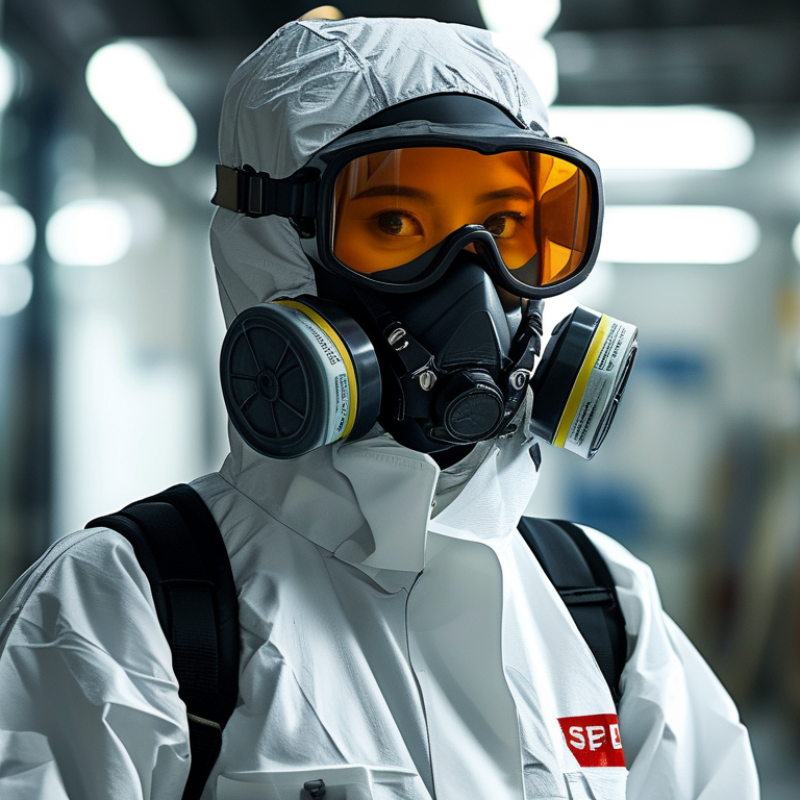
Understanding the Different Types of Protective Clothing Available
Choosing the right protective clothing is crucial for safety in various environments. Understanding the types available can significantly impact your decision. Protective clothing can include items like chemical-resistant suits, flame-resistant apparel, and high-visibility gear. According to a recent report by the International Safety Equipment Association, nearly 70% of workers in hazardous industries rely on specialized clothing for protection.
Each type of protective clothing serves a specific purpose. For instance, chemical-resistant suits protect against spills and exposure, while flame-resistant clothing is essential in industries like oil and gas. High-visibility gear ensures workers can be seen in low-light conditions. The right choice can prevent injuries and enhance overall safety, which is particularly vital where accidents are common.
Tips: Always assess the risks in your work environment before choosing protective clothing. Make sure the gear meets relevant safety standards, like those from ANSI or OSHA. Don’t overlook comfort—if clothing is uncomfortable, it may not be worn properly. Periodically review your protective gear to ensure it still meets your needs, as safety regulations can change. Remember, the best protection is only effective if worn correctly.
Assessing Your Specific Occupational Hazards
When selecting protective clothing, understanding your specific occupational hazards is crucial. Industry data shows that approximately 13% of workplace injuries are due to inadequate protective equipment. Identifying potential risks in your environment is essential. For instance, workers in construction face falling objects, while healthcare professionals deal with bloodborne pathogens. Each situation demands unique protection.
**Tip:** Conduct a risk assessment regularly. This practice helps pinpoint hazards accurately. Utilize checklists to ensure nothing is overlooked, as risks can evolve over time.
Moreover, consider the materials used in protective clothing. According to the National Institute for Occupational Safety and Health (NIOSH), flame-resistant fabrics can reduce burns by up to 75%. However, not all situations require these materials. Prioritize comfort and mobility as well. Uncomfortable gear can lead to negligence, increasing injury risk.
**Tip:** Always test gear for fit and functionality before use. Strive for a balance between safety and comfort. Don’t forget to consult safety data sheets (SDS) for insights on specific materials and their protective qualities.
Evaluating Material Properties and Performance Standards
Choosing the right protective clothing starts with understanding material properties. Different materials offer various levels of protection. For instance, some fabrics are engineered to resist heat, while others might be more effective against chemicals. It’s crucial to evaluate these properties based on your specific needs. Are you working in a lab or a construction site? Each environment demands different protective features.
Performance standards play a significant role in decision-making. These standards often determine how well a material performs under specific conditions. For example, moisture-wicking properties can help keep you dry, enhancing comfort. However, not all certifications are created equal. Some may be outdated or not fully tested in real-world environments. When reviewing these standards, look for recent testing and evidence of durability.
Additionally, consider the fit and usability of the clothing. Protective gear should be comfortable enough for extended wear but not compromise on safety. A poorly fitting garment can hinder movement and reduce overall effectiveness. Always reflect on your past experiences with protective gear. Did it perform as expected? This reflection can guide your future choices.
Prioritize safety, comfort, and reliability when selecting your gear.
Determining Comfort and Fit for Long-Term Use
Choosing the right protective clothing involves careful consideration of comfort and fit. A recent study from the Occupational Safety and Health Administration (OSHA) indicates that 60% of workers prefer gear that provides both safety and comfort. This underscores the importance of selecting protective wear not only for its protective qualities but also for its suitability over long periods.
Fit is subjective. What works for one person might not work for another. The average worker spends 40 hours a week in protective gear, so discomfort can lead to reduced productivity and morale. Researchers at the National Institute for Occupational Safety and Health (NIOSH) suggest that clothing should allow for a full range of motion. Stiff or tight gear can hinder tasks and lead to physical strain. Regular assessments of gear fit may be necessary to ensure optimal comfort.
Material choice also plays a critical role in comfort. Fabrics should be breathable yet durable, minimizing heat retention while maintaining protective features. Incident reports reveal that improper attire led to 25% of injuries in specific industries last year. Careful selection of materials and fit can potentially save workers from these issues, but many still neglect this aspect. It’s vital to acknowledge that the perfect fit may require adjustments and trials, a process that can be overlooked in favor of quick purchases. By prioritizing comfort and fit, workers can enhance both safety and performance in their roles.
Protective Clothing Comfort and Fit Ratings
Cost Considerations and Budgeting for Protective Gear
When it comes to protective clothing, cost is a crucial factor. A report from the Protective Clothing Market indicates that the global market is projected to reach $24 billion by 2025. Balancing quality and price can be challenging. Many professionals face limited budgets, but skimping on protective gear can lead to higher long-term costs if injuries occur.
Identifying your specific needs is vital. For instance, flame-resistant clothing may be a requirement for welders. In contrast, healthcare workers often need garments to resist chemicals or biological hazards. Prices can vary widely based on materials and certifications. According to the Occupational Safety and Health Administration (OSHA), investing in proper gear can reduce workplace injuries by up to 30%.
Tip: Allocate a portion of your safety budget for research. Check for certifications and reviews before purchasing.
Another consideration is the lifespan of the gear. Some materials provide better durability but come with a higher price tag. Analyze your work environment and how often you will need to replace items. This reflection can save costs over time.
Tip: Consider investing in multi-use gear that can serve different purposes. This approach often alleviates the pressure on your budget.