What Is a Mini Mallet Putter Cover?
A Mini Mallet Putter Cover protects a broad putter head with a compact, shaped fit. Unlike a blade cover, it is designed for the wider footprint and curved or squared profile of many mini mallet designs. The exact shape varies. Some heads have wings, raised alignment lines, or unusual weighting, so one cover will not fit every model. That detail matters more than a polished product photo.
A well-fitted Mini Mallet Putter Cover helps guard the head from scratches, dust, and knocks inside a golf bag. Soft lining cushions the finish, while the outer shell may use leather, synthetic materials, or durable fabric. Check the closure, too. Magnets are quick to use, while other designs rely on elastic or a snug opening. It should stay secure during a walk, yet come off without a struggle at the green. Small things count. After a wet round, let the cover air-dry before storing it. That simple habit may help preserve its lining and closure.
Choosing one starts with the putter’s make and model, then the head’s measurements and shape. Compare those details with the maker’s fit information rather than assuming “mini mallet” means universal sizing. A cover can look right and still press against an alignment feature or slip loose. It is easy to overlook that. Protection is the point, but convenience matters on every hole. This guide explains what these covers are, how they differ, and what to check before buying. The fit is personal. That part is easy to underestimate.
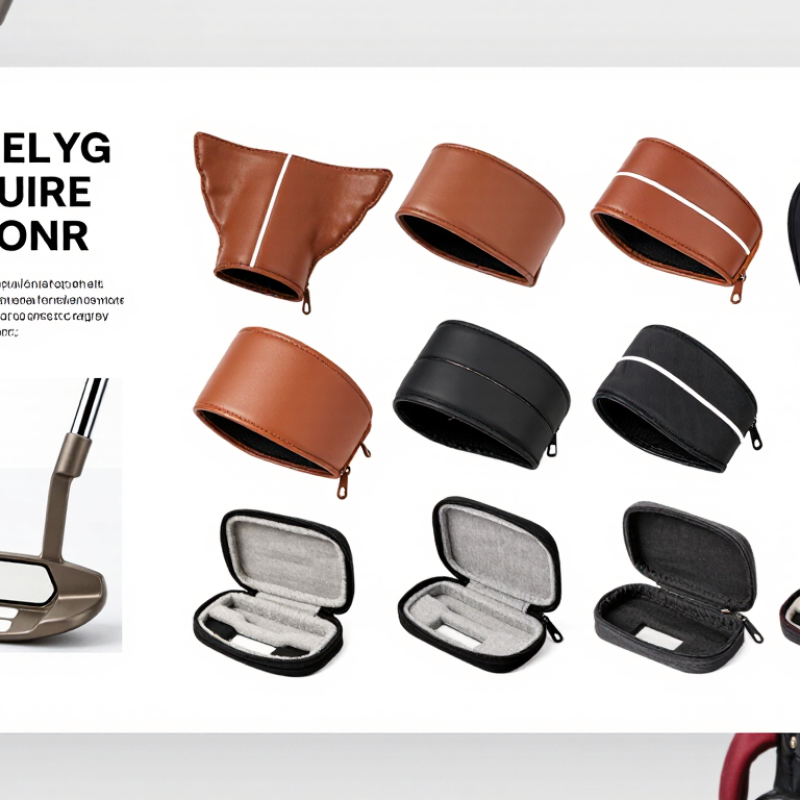
Definition and Purpose of a Mini Mallet Putter Cover
A mini mallet putter cover is a removable padded sleeve shaped to protect a compact mallet-style putter head. Unlike a long blade cover, it usually has a wider, rounded profile. Exact shapes vary, so “mini mallet” is not a universal size standard. The cover cushions the head against club-to-club knocks, helps prevent scratches, and keeps grit away from the face during storage or transport. Small detail. A secure closure matters: a loose cover can slip off inside a golf bag.
The National Golf Foundation’s 2024 participation report counted 26.6 million on-course golfers in the United States in 2023. That figure describes participation, not putter-cover use, but it gives useful context: golf equipment is carried and handled across many rounds. A cover is a simple protective layer, not a substitute for careful storage. It is easy to overestimate how much protection a thin shell provides, especially against hard impacts.
Tips: Check the cover’s opening, closure, and interior lining against your putter head shape. If the fit feels tight or the cover presses on the face, choose another size; forcing it may cause wear rather than prevent it.
Key Design Features and Compatible Putter Shapes
A mini mallet putter cover is shaped for a compact, rounded head that sits between a narrow blade and a larger mallet. “Mini mallet” is not a precise size standard. Head outlines vary, so the label alone cannot guarantee a secure fit. Check the putter head’s width, depth, and height, then compare those measurements with the cover’s interior. Small differences matter.
Look for a padded lining, a closure that stays shut, and enough room around the hosel or neck. Some designs have a heel-shaft opening; others fit better over center-shafted heads. The cover should slip on without force, yet resist falling off when a bag shifts. A little looseness can also let the head knock against clubs. Not ideal. The National Golf Foundation’s 2024 Golf Industry Report counted 28.1 million U.S. on-course golfers in 2023, reflecting a broad range of equipment users—not one standard putter shape. In practice, test the cover on the exact putter, especially if its wings, raised alignment lines, or neck sit outside the head’s main outline. I would not trust a “universal” label without checking those points.
What Is a Mini Mallet Putter Cover?
Mini mallet covers are shaped for compact putter heads, often with a padded interior and a closure to help protect the head. Compatibility depends on the cover’s internal dimensions and the putter’s shape.
How to read: Ratings are a qualitative guide, not standardized measurements. Compact mallets are commonly suited; larger heads and blade shapes may not fit. Check the cover’s stated dimensions against your putter before buying.
Common Materials and Construction Methods
A mini mallet putter cover needs to protect a compact, wide head without adding unnecessary bulk. Common outer materials include synthetic leather, polyester fabric, and nylon. Polyester is lightweight and dries relatively quickly; synthetic leather can offer a firmer, wipe-clean surface. Textile Exchange’s 2024 Materials Market Report estimates polyester made up 57% of global fiber production in 2023. That figure describes the wider textile industry, not putter covers, but it helps explain why polyester is widely available.
Construction matters as much as the shell. A soft fleece or brushed-knit lining can reduce scuffs, while a thin foam layer cushions the head against bumps in a golf bag. The cover should follow the mallet’s corners closely. Loose fabric may twist; overly tight seams can strain with repeated use. Small details matter. Check the stitching around the opening, where pulling and friction are concentrated. Magnetic closures are quick to use, while hook-and-loop tabs can collect lint over time. Neither option is perfect.
Material thickness involves a trade-off. A heavier cover may feel protective, but it can be awkward to remove between shots. A very thin lining may be easy to pack, yet offer less cushioning. Not always. Buyers should check the head’s width and rear profile, since “mini mallet” describes several shapes rather than one standard fit. A simple fit test is practical: the cover should slide on smoothly, stay secure when turned upside down, and come off without tugging the shaft.
How a Mini Mallet Cover Protects a Putter
A mini mallet putter cover is a fitted sleeve for a compact, wide-headed putter. Its main job is simple: keep the putter head from knocking against other clubs during transport. That matters in a crowded golf bag, where metal heads and loose accessories can rub together with every step.
The cover cushions the putter’s face and edges from scratches, small dents, and grit. It also helps keep dust and moisture away between rounds. A soft lining can reduce scuffing, while a secure closure helps prevent the cover from slipping off. Check the fit carefully. A cover that is too loose may fall away; one that is too tight can be awkward to remove. Not complicated, but worth checking.
A cover cannot prevent every mark or protect a club from a hard drop. I have also found that a damp cover can hold moisture against the head, so it should be aired out after wet play. Keep the face clean before replacing the cover, especially if sand is visible. That small habit can reduce rubbing over time. The protection is modest, yet useful.
Choosing and Caring for the Right Cover
What Is a Mini Mallet Putter Cover?
Choosing and Caring for the Right Cover
A mini mallet head sits between a blade and a larger mallet, so check the cover’s shape against your putter before buying. The toe and heel should sit inside without forcing the seams. A loose cover can slip off in a golf bag; a tight one may catch on the head. Magnetic closures are quick to use, while zippers can hold more securely but may snag. Small trade-off.
The National Golf Foundation reported 26.6 million U.S. on-course golfers in 2023, up from 25.6 million in 2022. That participation figure offers useful context: equipment gets carried and handled often, making practical protection worthwhile.
Routine Care
For routine care, shake out grass and grit, then wipe the lining with a soft, slightly damp cloth. Let the cover air-dry fully before storing it; trapped moisture can leave an unpleasant smell. Check seams and closures now and then, especially after rainy rounds. Follow the maker’s cleaning label if available, and avoid harsh cleaners that could affect fabric or stitching.
A cover can protect against bag chatter, but it cannot prevent every dent or scrape. And a plush lining is not a substitute for keeping the clubhead clean. The fit may still feel awkward at first. Recheck it after a few rounds, when the fabric has settled.
(Participation figures: National Golf Foundation, 2024.)