
Where to Find the Best Womens Shoes in China?
China’s women’s shoes market is vast, but a large selection can make shopping harder, not easier. The World Footwear Yearbook 2023 reported that China produced 54.6% of the world’s footwear in 2022. Statista’s Consumer Market Insights also tracks China as a major footwear market. These figures show the scale of the opportunity; they do not guarantee that every shop offers good fit, materials, or service.
Christian Louboutin, the footwear designer, once said, “A shoe has so much more to offer than just to walk.” That idea matters when comparing shoes in China. A pair may look elegant beneath bright shop lights, yet feel stiff after a short walk. This guide will help readers explore established shopping districts, specialist stores, and major online platforms. It will also explain what to check before buying: size charts, material descriptions, return terms, and seller reputation.
For in-person shopping, visitors can compare boutiques and department stores in major cities, while Guangzhou is known for its wholesale footwear trade. Online shoppers can browse platforms such as Tmall and JD.com, but should read recent reviews and confirm measurements carefully. The best choice depends on budget, comfort, design, and whether the buyer needs a reliable return option. One caveat: a famous shopping area is not automatically the best place for every shopper. A little skepticism helps.
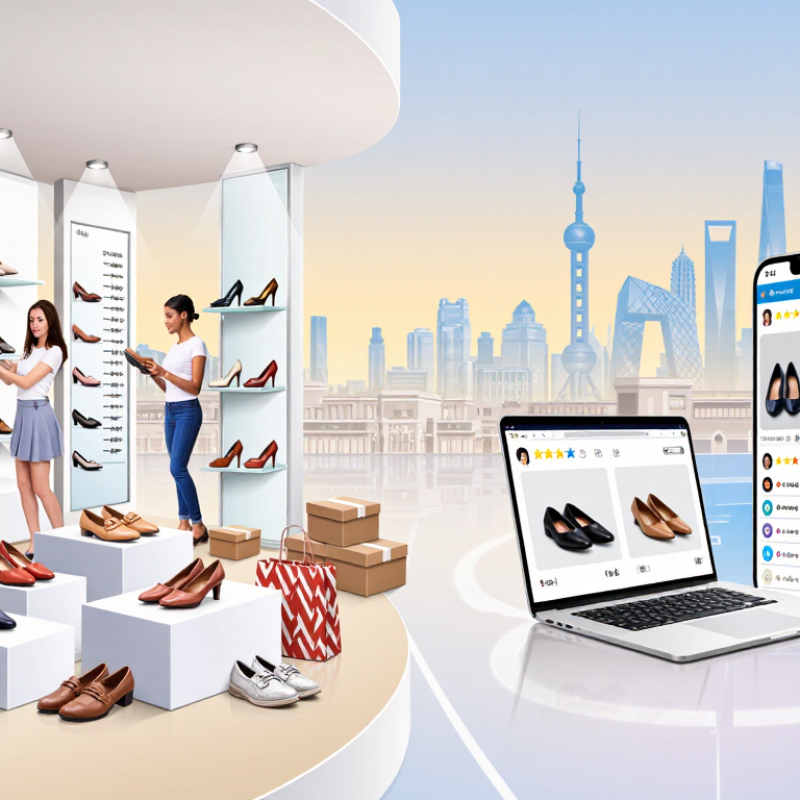
Understanding China's Women's Shoe Market
Understanding China's Women's Shoe Market
China’s women’s shoe market is vast, but national production figures do not reveal what women prefer. The World Footwear Yearbook 2024 estimates that China produced about 54.6% of the world’s footwear in 2023. That scale supports a broad supply base, from everyday flats to cushioned walking shoes. Yet shoppers still judge individual pairs by fit, comfort, materials, and price. A shoe that looks polished under shop lighting may feel stiff after a long commute. Small details matter.
Online shopping also shapes how customers discover and compare shoes. China’s National Bureau of Statistics reported that online retail sales of physical goods rose 6.5% in 2024. This figure covers many product categories, not women’s shoes alone, so it should not be read as footwear-specific growth. For buyers, it points to the value of checking size charts, return terms, and product photos carefully. Sizing remains messy, and a familiar size may not fit every cut.
Tips: Measure both feet. Check the insole length against the size chart, and read reviews for comments about width or rubbing. If possible, try shoes later in the day, when feet may be slightly swollen. Comfort first.
Where to Find the Best Women’s Shoes in China? — Understanding China’s Women’s Shoe Market
| Shopping channel | Where to look | Common women’s shoe categories | Indicative price range (RMB) | Best suited to | What to check |
|---|---|---|---|---|---|
| Large online marketplaces | Major Chinese e-commerce platforms; search by style, material, size, and occasion | Sneakers, flats, heels, boots, sandals | About ¥80–¥800+ | Comparing a wide selection and customer reviews | Check the size chart, return terms, seller history, and review photos |
| Department stores and shopping malls | Shopping districts in major cities and regional urban centers | Work shoes, leather shoes, occasion heels, casual styles | About ¥300–¥2,000+ | Trying on shoes in person and comparing fit across styles | Walk in the shoes; check the fit at the toes, heel, and instep |
| Independent footwear shops | Local commercial streets and neighborhood shopping areas | Everyday flats, sandals, casual shoes, seasonal boots | About ¥100–¥700 | Convenient local shopping and immediate try-ons | Ask about exchanges, care instructions, and material composition |
| Factory outlets and discount retail centers | Outlet centers on the edges of major cities and nearby suburbs | Previous-season sneakers, flats, heels, and boots | About ¥150–¥1,000+ | Finding discounted styles and shopping offline | Confirm the final price, available sizes, and exchange policy |
| Wholesale footwear markets | Major trading hubs, including wholesale districts in Guangzhou and Yiwu | Fashion shoes, sandals, flats, and bulk-order styles | Varies widely; wholesale terms may apply | Buyers sourcing multiple pairs or comparing supplier offerings | Confirm minimum order quantities, sample availability, quality, and shipping costs |
| Specialty comfort-footwear shops | Physical stores and online searches for wide-fit, cushioned, or supportive shoes | Walking shoes, supportive flats, low heels, adjustable sandals | About ¥200–¥1,200+ | Prioritizing comfort, cushioning, or fit options | Look for a secure heel, flexible fit, and cushioning suited to your needs |
Note: Price ranges are broad, indicative examples in RMB, not fixed market averages. Actual prices vary by city, materials, construction, season, seller, and promotions. China shoe sizing can differ by seller, so compare foot-length measurements with the specific size chart before ordering.
Related Posts
-

How to Choose Ralph Lauren Women's Clothing for Every Occasion?
-
China Top 10 Ralph Lauren Womens Clothing Suppliers?
-
7 Tips for Sourcing Womens Denim Wholesale?
-

Why Are Cover Ups Essential in Global Procurement Strategies?
-
How to Choose the Perfect Women's Jeans for Every Body Type?
-
Top 10 Ralph Lauren Women's Clothing Must Haves?