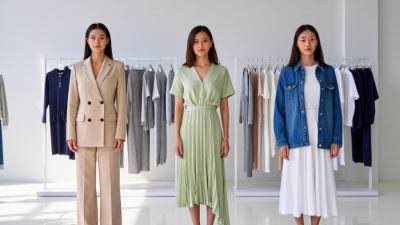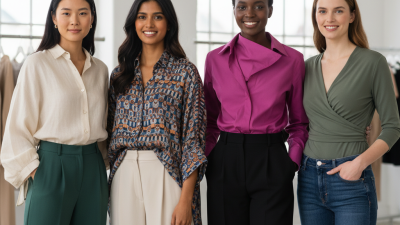
The 2026 womens tops market is becoming more practical, expressive, and regionally diverse. Global buyers are watching fabric performance, fit consistency, and supplier reliability more closely than seasonal excitement. Lightweight cotton, recycled fibers, soft tailoring, and breathable blends may gain attention across different climates. Yet, no trend works equally well everywhere.
This guide examines the key womens tops trends shaping international purchasing decisions in 2026. It considers relaxed shirts, polished blouses, versatile knit tops, cropped silhouettes, and modest layering pieces. Color direction matters, but fabric hand feel often decides repeat orders. A muted blue top, for example, can look premium online but feel too thin under showroom lighting. Details matter.
Experienced buyers also need to assess size grading, stitching quality, shrinkage, packaging, and delivery performance. Responsible sourcing should include traceable materials, clear fiber labeling, safe working conditions, and compliance with applicable market requirements. These points are not decorative. They protect brand reputation and reduce costly returns.
Some forecasts will be wrong. Fashion always leaves room for surprise. Regional customer data should guide final decisions, rather than global hype alone. A successful collection may combine dependable basics with a few carefully tested statement pieces. This approach helps retailers control inventory risk while responding to changing customer expectations. The following overview offers a practical, evidence-informed starting point for buyers planning their 2026 womens tops assortments.
The 2026 womens tops market will be shaped by practical design, flexible sizing, and more careful sourcing. Global buyers are moving beyond seasonal color forecasts. They want tops that perform across climates, retail channels, and customer lifestyles.
In supplier evaluations, breathable cotton blends, recycled fibers, and lightweight knits are gaining attention. Buyers often request fabric test reports, colorfastness checks, and clear fiber content. Soft tailoring, relaxed shirts, and adjustable necklines can reduce fit concerns across different markets. Fit still varies. A size chart alone cannot explain shoulder width, sleeve volume, or fabric recovery.
Design teams are also studying local weather patterns before placing orders. Loose silhouettes suit warm regions, while layered ribbed tops support cooler markets. Neutral colors remain commercially useful, but controlled seasonal shades can refresh repeat purchases. Buyers should examine minimum order quantities, production capacity, and delivery buffers before confirming large programs. Small trial orders may reveal shrinkage, stitching weakness, or inconsistent grading. Forecasting remains imperfect. Even experienced teams can misread demand when social trends change quickly. Reliable suppliers communicate limitations, document quality checks, and respond clearly when specifications need revision. Sustainability claims also require evidence, not attractive wording. Auditable material records and responsible production practices increasingly influence purchasing decisions.
In 2026, women’s tops are expected to balance comfort, polish, and practical design. McKinsey and The Business of Fashion’s State of Fashion 2025 report found that about 80% of fashion executives expect cautious market conditions. Buyers should therefore prioritize adaptable tops with clear value.
Soft tailoring will grow through relaxed blouses, shaped shoulders, and lightweight waist details. WGSN’s 2026 forecasting highlights tactile surfaces, fluid construction, and gentle utility. Textured knits, brushed cotton, and semi-sheer layers fit this direction. They also create visible detail on store shelves. Not every forecast will translate equally across regions.
Global buyers may also watch refined polo tops, zip-neck jerseys, and cropped overshirts. These shapes work with denim, wide trousers, and office separates. Circana’s apparel tracking continues to show strong consumer interest in versatile, casual-led wardrobes. Therefore, suppliers should test neutral colors with controlled seasonal accents. Ivory, clay, muted green, and washed blue can support broader wearability. Size consistency still matters. A beautiful sample can fail if grading feels careless.
For sourcing teams, fabric recovery, shrinkage, and opacity deserve early testing. These small checks reduce returns and protect buyer trust. Decorative details should remain functional, not merely photographic. Some trend reports may overstate novelty. Real customers often choose the quieter option.
Key women's top styles expected to shape 2026 fashion, ranked by a normalized global wholesale buyer-interest index.
The 0–100 index is a directional planning measure based on recurring runway, retail assortment, merchandising, and consumer-style signals. It is not company or brand sales data.
For 2026, women’s tops are moving toward practical comfort with sharper visual details. Textile Exchange reports that global fiber production reached 124 million tonnes in 2023. It may approach 160 million tonnes by 2030. This growth increases pressure for traceable fibers, lower-impact blends, and better durability. Cotton, linen, recycled polyester, and regenerated cellulose will remain important choices for international buyers. Lightweight poplin, soft jersey, and textured rib fabrics can serve different climates without making the collection feel repetitive.
Color direction is becoming more wearable. Buyers may see mineral blue, warm clay, butter yellow, soft olive, and quiet cream beside dependable black and white. The State of Fashion 2025 report describes a value-conscious consumer environment. That makes adaptable colors commercially safer than extreme seasonal shades. Details will do more work: curved necklines, small gathers, adjustable ties, contrast stitching, and discreet pockets. A slightly imperfect texture can feel more human, although poor finishing still looks cheap.
Tips: Request fabric test results before placing bulk orders. Check shrinkage after washing. Ask suppliers for fiber-content evidence and colorfastness data. Build a small color range first, then review sell-through by region. Forecasts are not promises. A shade that works in Northern Europe may feel dull in tropical markets. One weakness remains: trend reports can encourage overproduction. Use them as direction, not as automatic buying instructions.
Global sourcing guide for women’s tops: commercially relevant fabric, color, silhouette, and detail directions for 2026 collections.
| Trend Area | 2026 Direction | Recommended Fabric / Fiber | Color Direction | Key Details | Buyer Rationale | Commercial Priority |
|---|---|---|---|---|---|---|
| Elevated Everyday Shirt | Relaxed, versatile shirts that move between work, travel, and casual use. | Cotton poplin, cotton-modal, TENCEL™ lyocell blends | Optic white, soft blue, oat, pale sage | Longer cuffs, curved hem, concealed placket, slightly dropped shoulder | Strong repeat-wear potential and easy coordination with denim, tailoring, and skirts. | Very High |
| Soft Sheer Layering | Lightweight translucent tops designed for layering rather than full exposure. | Fine nylon, recycled polyester mesh, cotton voile, silk-look viscose | Powder pink, mist grey, black, icy lavender | Second-skin fit, mock neck, tonal binding, layered bra-top or camisole styling | Adds fashion value while allowing retailers to create multiple outfit solutions. | High |
| Breathable Natural Texture | Visible slub, crinkle, and tactile surfaces for warm-weather collections. | Linen, linen-cotton, ramie blends, textured viscose | Natural flax, clay, chalk, mineral green | Camp collar, patch pocket, stitch detailing, relaxed boxy shape | Natural-fiber texture communicates summer comfort and supports premium visual merchandising. | Very High |
| Polished Knit Tops | Fine-gauge knit tops replacing basic jersey in smart-casual wardrobes. | Viscose-polyamide, cotton-modal, fine merino blends | Chocolate brown, cream, navy, tomato red | Ribbed necklines, compact sleeves, asymmetric hems, subtle pointelle | Knit structure provides comfort, stretch, and a more refined appearance than standard T-shirts. | High |
| Feminine Draped Blouses | Fluid blouses with soft volume and an understated romantic mood. | Viscose, cupro, silk-viscose, recycled polyester satin | Butter yellow, dusty rose, warm ivory, deep teal | Gathered neckline, tie detail, fluid sleeve, gentle peplum, soft pleats | Drape and movement create a premium look without relying on heavy embellishment. | High |
| Utility-Inspired Tops | Functional overshirts and pocketed tops with a cleaner, less rugged finish. | Organic cotton twill, TENCEL™ twill, recycled nylon | Khaki, stone, washed black, muted olive | Cargo pockets, snap closures, adjustable cuffs, tonal topstitching | Practical details support travel, outdoor, and casual categories while remaining easy to style. | High |
| Modern Polo Rework | Women’s polo shapes updated with slimmer proportions and fashion-forward collars. | Cotton pique, cotton-modal jersey, lightweight knit | Navy, ecru, cobalt, soft coral | Open collar, contrast tipping, short placket, fitted or cropped proportion | A familiar commercial base gains newness through proportion, color blocking, and collar design. | Medium–High |
| Refined Statement Sleeves | Controlled volume focused on cuffs and upper sleeves rather than excessive body fullness. | Cotton voile, poplin, viscose crepe, lightweight linen blends | White, ink blue, terracotta, pale lilac | Balloon sleeve, slit cuff, gathered shoulder, elongated cuff | Creates a visible fashion point while preserving a wearable core silhouette. | Medium–High |
| Responsible Material Story | Clearer fiber disclosure and lower-impact material options integrated into core styles. | Organic cotton, recycled polyester, recycled nylon, lyocell, linen | Undyed natural, recycled black, eucalyptus, muted earth tones | Minimal trims, mono-material construction, durable seams, repair-friendly buttons | Fiber transparency and durability help buyers meet sustainability requirements and reduce over-decoration. | Very High |
| Versatile Occasion Top | Day-to-evening tops with adjustable styling and restrained shine. | Cupro, viscose satin, lightweight crepe, recycled polyester georgette | Midnight blue, champagne, burgundy, silver grey | Convertible neckline, wrap construction, subtle drape, removable tie or scarf | One garment can serve work, social, and travel occasions, improving wardrobe value. | High |
Material notes: Lyocell is a regenerated cellulose fiber known for a smooth hand and moisture-management potential; linen and ramie are bast fibers valued for breathability and natural texture; recycled polyester and recycled nylon are commonly used to reduce reliance on virgin synthetic feedstocks. Fiber performance depends on blend ratio, yarn, finishing, and garment construction.
Planning note: Color names are commercial color directions rather than proprietary brand standards. Buyers should validate colorfastness, shrinkage, pilling, seam performance, and regional compliance before bulk production.
2026 Best Womens Tops Trends for Global Buyers
Regional demand is shaping womens tops more than one global trend. In North America, buyers favor relaxed silhouettes, soft jersey, and versatile layering pieces. They often request inclusive sizing and easy-care fabrics for everyday wardrobes. European buyers lean toward refined basics, natural textures, and quieter colors. Fit accuracy matters greatly. Small details matter.
Across East Asia, compact proportions, lightweight materials, and polished necklines remain commercially attractive. Buyers often prefer tops that move from office settings to casual evenings. In Gulf markets, longer lengths, higher necklines, and breathable fabrics support modest styling and warm climates. Latin American customers frequently respond to vivid color, fluid shapes, and expressive sleeves. However, regional preferences can vary sharply within one country. Forecasts are useful, but never perfect.
Tips: Review local sales data before placing large orders. Test two or three color groups with smaller quantities. Ask buyers about fabric weight, sleeve length, and preferred size grading. Include product photos on diverse body shapes. Check stitching, shrinkage, colorfastness, and wash performance before shipment. Repeated buyer feedback is more reliable than a short-lived social trend. I have seen attractive samples fail because the fabric felt too warm or the sizing ran narrow. That mistake is avoidable, though not always obvious.
For 2026, women’s tops buyers need more than attractive colors and low prices. They need traceable materials, stable factories, and measurable quality. Textile Exchange’s Materials Market Report 2024 estimates global fiber production reached 124 million tonnes in 2023. Polyester represented about 57% of that volume. This scale makes recycled inputs important, but recycled claims still require evidence. Ask suppliers for transaction certificates, origin records, and production-stage documentation.
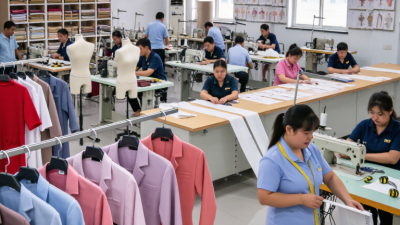
Sourcing decisions should include real factory checks. Review worker safety, wastewater controls, subcontracting, and overtime records. The 2023 UNEP Sustainable and Circular Textiles report stresses stronger transparency and circular production across the value chain. In practice, buyers can request fabric composition tests, colorfastness results, shrinkage limits, and needle detection records. A light blouse should keep its shape after washing, not twist at the side seam. Small details matter.
No checklist is perfect. I would not accept a sustainability certificate without checking its scope and expiry date. Quality teams should test samples after three washing cycles, not only inspect fresh garments. Use laboratories accredited to ISO/IEC 17025 where possible. Specify fabric weight, such as 180 GSM, seam strength, pilling resistance, and dimensional change before ordering. Some suppliers may resist these requirements. That hesitation deserves a closer look, although it is not automatic proof of poor practice.