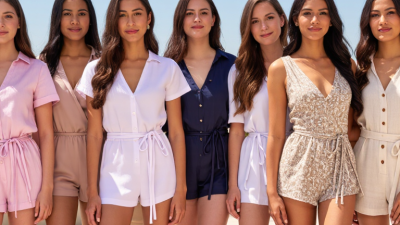
Warm-weather outfits should feel easy, but comfort depends on more than a cheerful print. The best summer rompers balance breathable fabric, practical coverage, and a fit that works when you sit, walk, or reach for a bag. Small details matter: adjustable straps, pockets deep enough for a phone, and closures you can manage without a struggle. A light cotton blend may suit a humid afternoon, while a drapier fabric can feel polished for dinner.
This guide highlights 10 summer rompers for women in 2026, with options for casual days, travel, and dressier plans. It considers fabric, silhouette, sizing notes, care, and useful design features rather than treating every trend as a universal win. Check each brand’s size chart before ordering; cuts and measurements can vary, even between similar styles. If possible, review the return policy too. That helps.
A romper can save time, yet it is not automatically comfortable for everyone. Bathroom access, torso length, and waist placement deserve a second look. Some styles photograph beautifully but feel restrictive after an hour. That is worth admitting. Use the picks as a starting point, then choose the one that suits your plans, climate, and personal fit preferences.
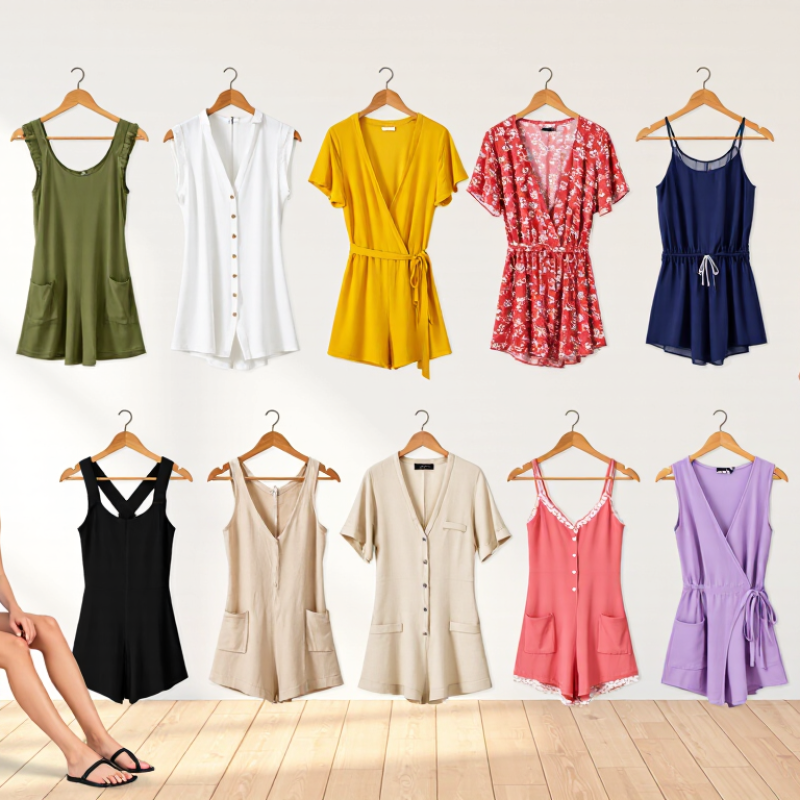
A good summer romper should feel comfortable after hours of wear, not just look breezy on a hanger. The CDC recommends lightweight, loose-fitting clothing in hot weather. That makes breathable fabric and room through the hips and thighs practical priorities. Check whether the waistband digs in when you sit, and whether the leg openings ride up while walking. Small details matter. Pockets should hold a phone without pulling the fabric sideways, and closures should be easy to manage in a restroom. A soft, airy fabric can help, but fabric labels alone cannot promise comfort in every climate.
Heat is part of the decision. NOAA’s 2024 Annual Global Climate Report found that the global surface temperature was 1.29°C above the twentieth-century average, making 2024 the warmest year in its record. That figure describes a global trend, not the temperature in your town; local humidity and forecasts still matter. For a hot day, a lighter color and a relaxed fit may feel more comfortable than a tight, heavy style. One caveat: a one-piece outfit can be less convenient during bathroom breaks. Try the closure before buying, and consider whether the cut suits your usual movement. It is easy to overlook that.
The selection focused on how a romper performs during an ordinary hot day, not just how it looks in a product photo. We compared fabric descriptions, garment construction, care instructions, and available fit details. Breathable cotton and linen blends earned attention, but fabric names alone were not enough. We looked for clear information about lining, stretch, and opacity.
Practical details mattered. We considered whether pockets could hold a phone without pulling the shorts out of shape, and whether closures seemed manageable while dressing. Waistbands, straps, and leg openings were assessed for likely comfort during walking or sitting. Short inseams may feel cooler, yet they can ride up. That trade-off is personal.
We also favored listings with useful size charts and specific garment measurements, while treating customer feedback as supporting evidence rather than proof. Reviews can reveal recurring fit concerns, but body shapes and preferences differ. One judgment call remains: a relaxed cut may suit a beach afternoon but feel bulky under a light jacket. The picks therefore balance comfort, coverage, care, and versatility, while recognizing that no single romper fits every summer plan.
Editorial selection rubric for comparing women’s summer rompers
Comfort and breathability receive the greatest weight for warm-weather wear, followed by fabric quality, versatility, and ease of care. These are editorial rubric weights—not sales figures or laboratory test results.
The best summer romper styles balance airflow, movement, and a fit that feels comfortable after lunch. A linen button-front romper works for warm afternoons; its creases are part of the look, not a flaw. A cotton tank romper is an easy everyday option, especially with roomy armholes. Try a wrap-front style when you want an adjustable waist, but check that it stays secure as you move. Wide-leg rompers let air circulate around the thighs, while a romper dress gives a skirt-like outline without requiring constant adjusting. Small details matter.
For practical days, a utility romper with soft pockets can hold keys and a phone, though stiff fabric may feel hot. A smocked-bodice style flexes with the body and pairs well with flat sandals. Halter rompers leave the shoulders open, but some neck ties become uncomfortable over time. A tailored short romper looks polished for casual dinners; make sure the leg openings are not restrictive when sitting. An athletic romper suits walks or travel, provided the fabric dries quickly and does not cling. Fit varies by torso length, so check the rise and inseam before choosing a style. Even a lovely color cannot fix a poor fit.
Choose a romper by testing its proportions, not just its size label. Measure your waist, fullest hip, and torso length, then compare them with the garment’s size chart. A short torso can make a one-piece feel tight at the shoulders; a longer torso may pull at the rise. Check the hip ease and waist placement, too. Sit, reach overhead, and take a full step before deciding. Small test, big difference. I would not rely on a mirror-only fitting: seated comfort is easy to overlook.
Match fabric and coverage to your plans and local weather. NOAA’s 1991–2020 U.S. Climate Normals provide 30-year temperature and precipitation averages, useful for checking typical conditions where you will wear it. For hot, humid days, look for a light, breathable weave and practical details such as pockets or adjustable straps. The U.S. Environmental Protection Agency reports that urban areas can be 1–7°F warmer by day and 2–5°F warmer at night than nearby areas. That matters for outdoor plans. For cool evenings, consider a romper that layers comfortably beneath a loose shirt or light jacket. Check the care label, too; a fabric that needs delicate handling may not suit a packed travel schedule. I still think convenience can win over polish, but only if the fit lets you move freely.
| Rompers to Consider | Typical Fabric | Fit and Design | Best For | Climate Notes | What to Check Before Buying |
|---|---|---|---|---|---|
| 1. Relaxed Linen Romper | Linen or a linen-cotton blend | Loose through the body, often with a drawstring or elastic waist | Hot-weather sightseeing, casual lunches, and everyday wear | Linen allows airflow and dries relatively quickly; it wrinkles readily and may feel crisp at first. | Check the lining, fabric weight, and whether the waist can be adjusted. |
| 2. Cotton Poplin Romper | Lightweight cotton poplin | Structured but breathable, commonly with a button front or defined waist | Day trips, picnics, and casual occasions where a neat look is useful | Comfortable in warm, dry weather; cotton can take longer to dry after getting wet. | Look for comfortable armholes and enough room across the hips and seat. |
| 3. Cotton Jersey Romper | Cotton jersey, sometimes blended with elastane | Soft, flexible, and usually easy to pull on | Travel days, lounging, and low-key weekend plans | Soft cotton jersey can feel comfortable in mild heat, but thicker knits may retain warmth. | Check fabric thickness, stretch recovery, and whether the shorts ride up when walking. |
| 4. Wide-Leg Romper | Lightweight woven cotton, linen blend, or viscose | Roomier legs with a defined or relaxed waist | Warm days when extra leg room and ease of movement are priorities | Airy cuts can improve ventilation; heavier fabrics may still feel warm in humid weather. | Check the inseam and leg opening so the silhouette suits your height and preferred coverage. |
| 5. Wrap-Front Romper | Viscose, cotton, or a lightweight woven blend | Adjustable wrap-style front, often with a tie waist | Brunches, casual dinners, and outfits that benefit from an adjustable waist | Lightweight woven fabrics can suit warm weather; some may wrinkle or require gentle care. | Make sure the wrap stays secure when moving and that the neckline offers your preferred coverage. |
| 6. Sleeveless Utility Romper | Cotton twill or a lightweight cotton blend | Practical pockets, a defined waist, and a more structured finish | Errands, travel, and outdoor activities in mild-to-warm conditions | Twill is generally more substantial than lawn or voile, so it may feel less airy in peak heat. | Check pocket placement, fabric weight, and whether the closures are easy to manage. |
| 7. Moisture-Wicking Active Romper | Polyester or nylon blended with elastane | Stretch fit designed for movement, often with a supportive inner layer | Walking, cycling, workouts, and active travel | Synthetic performance fabrics often dry faster than cotton, though comfort and airflow vary by knit and fit. | Check opacity when stretched, support, inseam coverage, and care instructions. |
| 8. Quick-Dry Travel Romper | Lightweight polyester or nylon blend | Packable, easy-care design with a relaxed or adjustable fit | Trips with changing plans, warm-weather packing, and light outdoor use | Quick-drying materials can be useful in humid or rainy conditions; they may feel less natural than cotton or linen. | Review pocket security, wrinkle behavior, and how the fabric feels against your skin. |
| 9. Long-Sleeve Lightweight Romper | Light cotton, linen blend, or breathable woven fabric | Fuller arm coverage with a loose or adjustable body | Sun-conscious outings, breezy evenings, and destinations with strong sun | Loose sleeves can provide coverage, but darker colors and dense weaves may feel warmer. | Look for breathable fabric, a comfortable sleeve opening, and a fit that allows airflow. |
| 10. Petite or Tall Proportion Romper | Varies; choose according to climate and intended use | Proportions designed around torso length, rise, or inseam needs | Anyone who often finds standard rompers too short in the torso or legs | Climate comfort depends mainly on fabric, lining, and how closely the garment fits. | Compare garment measurements—especially torso length, rise, and inseam—with your own measurements. |
Quick fit and fabric tip: Check the brand-free garment measurements and return policy before ordering. A romper should allow you to sit, raise your arms, and move comfortably without pulling at the shoulders, waist, or seat. For hot, humid weather, prioritize a lightweight, loose-fitting design; for rain or active plans, consider a quick-drying fabric.
A summer romper feels polished with little effort, but fit matters more than a trend. Choose breathable cotton or linen blends for hot afternoons, and check that the seat and rise allow comfortable movement. A waist tie can add shape without feeling restrictive. For a relaxed daytime look, try flat sandals, a woven tote, and simple earrings. For dinner, swap in low heels and a light layer. Keep it easy.
Tips: Check the romper while sitting and reaching before you wear it out. A short hem may shift when you bend, and buttons can pull across the chest. If the outfit feels busy, choose one standout accessory and leave the rest simple. Sunlight can also make pale fabrics more transparent, so test them near a window.
Care helps a romper keep its shape through repeated summer wear. Read the care label, then close zippers and fasteners before washing. Use a gentle cycle and cool water when the fabric allows; heat can shrink some natural fibers. Air-dry on a hanger, smoothing seams and straps while damp. Wrinkles may remain. A quick steam can help, but test a hidden area first, especially on delicate fabric. If a stain appears, treat it promptly with a fabric-safe product rather than rubbing hard.