What Are Formal Dresses and What Types Are There?

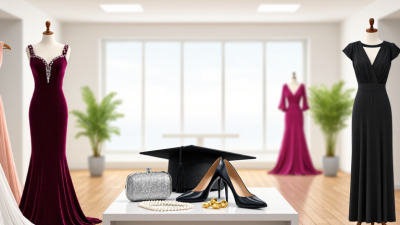
Formal dresses are designed for occasions where polished, thoughtful clothing is expected. The term can describe gowns, cocktail dresses, and other refined styles, so it does not point to one fixed silhouette. A floor-length satin gown may suit a gala, while a tailored knee-length dress may feel right for a formal dinner. Context matters. The invitation, venue, season, and dress code all help narrow the choice. When details are unclear, checking with the host is more reliable than guessing from a dress’s name alone.

This guide explores what formal dresses are and how common types differ in length, shape, fabric, and level of formality. It considers evening gowns, cocktail dresses, and other occasion-ready designs, along with details such as sleeves, necklines, and embellishments. These features affect both appearance and comfort. A heavy beaded bodice, for example, can look striking under event lighting but may feel tiring after several hours. Fit matters just as much as style. A dress that allows comfortable movement often serves its wearer better than one chosen only for photographs. There is no single perfect option, and dress codes can be interpreted differently across events and cultures. The aim is to make those choices clearer, not to turn personal style into a rigid set of rules.
What Are Formal Dresses and What Types Are There?

Definition and Purpose of Formal Dresses

A formal dress is clothing chosen for an occasion with an elevated or clearly stated dress code. The term does not describe one fixed silhouette. It may refer to a floor-length gown, a tailored midi dress, or a polished suit-style design. The event, invitation, time, venue, and local customs all shape what feels appropriate. A dress that suits an evening ceremony may seem too elaborate at a daytime reception. Small details matter. Structured seams, smooth fabrics, and careful finishing can create a refined appearance without heavy decoration. Formal does not have to mean expensive or uncomfortable.

The purpose of formal dress is to show respect for the occasion and help the wearer feel prepared to take part. It can also create a shared sense of ceremony, whether guests are attending a wedding, awards dinner, or work event. Comfort is part of that purpose, too. A hem that catches under a chair or sleeves that restrict movement can distract throughout the evening. Check how the fabric feels when sitting, walking, and reaching for a glass. Still, dress codes can be vague, and expectations vary between settings. When uncertain, a neat, well-fitting outfit with modest detailing is often a practical choice. I sometimes think the word “formal” promises more clarity than it actually delivers.

What Are Formal Dresses? Common Types and Typical Hemlines

Formal dresses are garments worn for occasions with an elevated dress code, such as galas, weddings, and formal evening events. Styles range from knee-length cocktail dresses to floor-length evening and ball gowns. Hemlines vary by design and dress code; the chart shows common traditional examples.

Key Features That Distinguish Formal Dresses

Formal dresses are distinguished by construction, fabric, finish, and how well they suit an event’s dress code. A shaped waist, clean seams, full lining, and a carefully finished hem often look more polished than extra decoration. Floor-length gowns are common for black-tie events, while a refined midi dress may suit cocktail occasions. Fabric matters, too: crepe falls smoothly, velvet adds depth, and satin reflects light. Fit matters. A beautiful dress can still feel wrong if its shoulders pull or its hem catches underfoot.

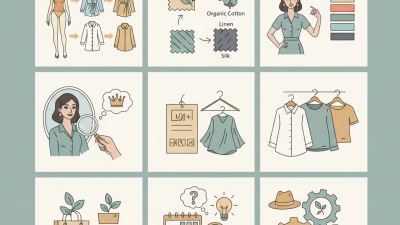
Materials alone do not define formality. Textile Exchange’s 2024 Materials Market Report estimates that polyester made up 57% of global fiber production in 2023; this is a fiber-market figure, not a formalwear sales statistic. It helps explain why labels such as “satin” can be misleading: satin describes a weave, not necessarily a fiber. Look at the garment’s drape, lining, seams, and finish together. Not just shine. A glossy surface may look less formal in daylight than it does in a dim ballroom.

Tips: Check the invitation’s dress code, then test your outfit sitting, walking, and raising your arms. Bring the shoes you plan to wear when checking the hem. Don’t assume longer always means dressier; context matters.

How Dress Codes Determine Formality

Formalwear is not one fixed look; the invitation’s dress code sets the level. White tie is the most ceremonial: expect a floor-length gown or an evening tailcoat. Black tie usually means a floor-length dress or a polished formal suit. “Black-tie optional” allows a little flexibility, while cocktail attire suits shorter dresses and dark suits. A vague “formal” can mean different things to different hosts. Details matter.

The 2024 Real Weddings Study reported an average U.S. wedding cost of $33,000 and 115 guests. That scale makes clear dress guidance useful: guests arrive in varied settings, from garden lawns to hotel ballrooms. Match fabric and shoes to the venue as well as the wording; satin heels may struggle on grass. In practice, dress codes are not always precise, and I would not treat every invitation as a strict uniform. If the event’s time, venue, or cultural context suggests a different level, ask the host.

Tips: Read the full invitation, check the venue, and choose a look slightly more polished than everyday wear. When in doubt, ask. A quick question beats an uncomfortable outfit.

Common Types of Formal Dresses

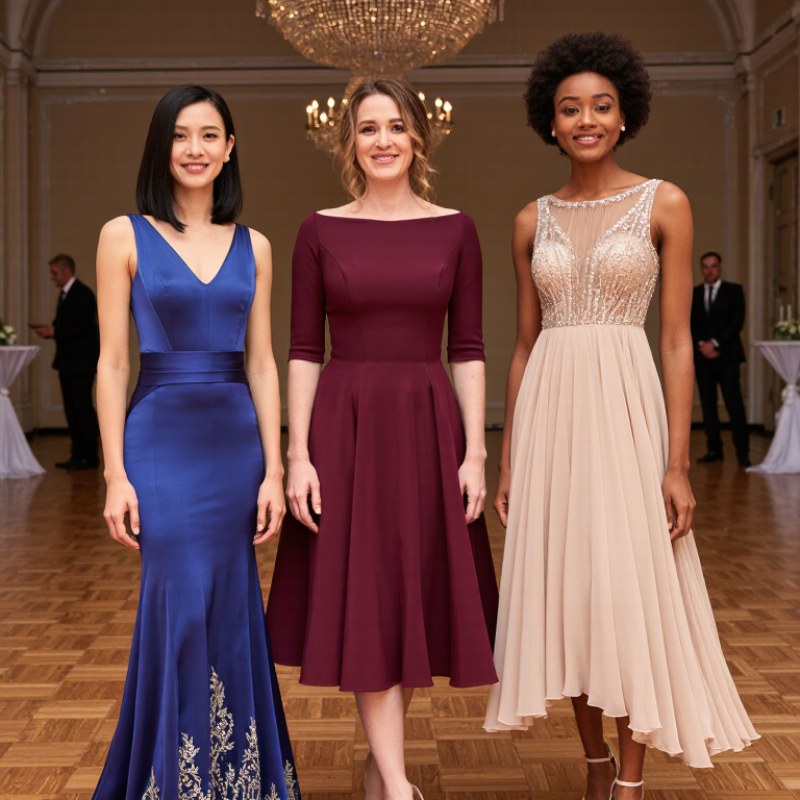
Formal dresses vary in length, shape, and structure, so the event’s dress code matters more than one fixed definition. An evening gown usually reaches the floor and may have a fitted bodice, flowing skirt, or short train. It often suits black-tie events, though the venue and season affect fabric and coverage. Heavy satin can feel uncomfortable in a warm ballroom. Small detail, big difference.

A ball gown has a fitted upper section and a full skirt, making it a more dramatic choice for galas or formal celebrations. An A-line dress gently widens from the waist and is often easier to move in. A sheath dress follows the body’s natural line, with a simpler silhouette that can work well for formal dinners. Fit matters. Check that you can sit and walk comfortably before choosing.

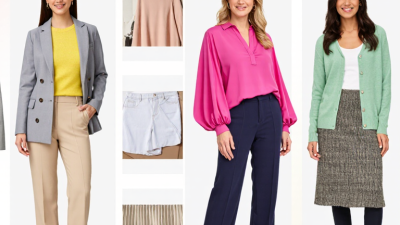
Cocktail dresses are generally shorter, often knee-length or midi, and are common at semi-formal events. A tea-length dress falls between the knee and ankle, offering a polished alternative to a floor-length gown. The labels can blur: one invitation may call for cocktail attire, while another expects a long dress. When uncertain, consider the wording, location, and time of day, then choose a style that feels appropriate without restricting movement.

Choosing a Formal Dress for an Occasion

Choosing a formal dress starts with the invitation, not the mirror. Check the dress code, venue, start time, and season. A floor-length gown may suit an evening ballroom event, while a tailored midi dress can feel right for a daytime ceremony. These are useful clues, not strict rules. If details are unclear, ask the host or choose a slightly more polished option.

Consider how the dress will work throughout the event. Sit, walk, and raise your arms during a fitting. A hem that catches on shoes or a neckline that shifts can distract you all evening. Fabric matters too: lightweight chiffon moves easily outdoors, while structured crepe often holds its shape in photographs. Bring the shoes and underlayers you plan to wear, since they can change the fit. Check for grass, stairs, or long periods of standing at the venue. Comfort counts. In practice, a dress that looks perfect while standing still may feel restrictive after dinner. A small compromise in silhouette can be wiser than chasing a perfect look. Details matter.

What Are Formal Dresses and What Types Are There? - Choosing a Formal Dress for an Occasion

Dress Type Typical Length and Silhouette Common Occasions Fabric and Design Details Choosing Tips
Evening Gown Usually floor-length; may have a fitted, A-line, or flowing silhouette. Black-tie events, formal galas, and evening weddings. Often made in fabrics such as satin, chiffon, velvet, or crepe; may include refined detailing. Check the invitation’s dress code and choose a length and level of embellishment that suit the venue.
Formal Cocktail Dress Commonly knee-length to midi-length, with a tailored or occasion-ready shape. Cocktail receptions, semi-formal celebrations, and some evening parties. May use structured fabric, lace, satin, or subtle decorative details. For a more formal event, opt for polished fabric and accessories; follow any stated dress-code guidance.
Formal Midi Dress Hem falls between the knee and ankle; available in fitted, A-line, and flowing styles. Weddings, daytime ceremonies, receptions, and dressy dinners. Often designed in crepe, chiffon, satin, or other fabrics suitable for occasion wear. Consider the event’s time and setting. A structured cut or refined fabric can make the look feel more formal.
Formal Maxi Dress Long hem, usually reaching the ankle or floor; silhouette may be relaxed or fitted. Evening receptions, outdoor celebrations, and formal dinners. May feature a flowing skirt, defined waist, sleeves, or restrained embellishment. Check the hem against your shoes and the venue, especially for outdoor or uneven surfaces.
Black-Tie Optional Dress Often floor-length, though a sophisticated midi or cocktail dress may also be appropriate. Events where guests may choose formal attire without a strict black-tie requirement. Typically polished in appearance, with elevated fabric or thoughtful finishing. When unsure, a floor-length dress is a safe formal choice; the invitation and local custom should guide your decision.
Formal Dress with Sleeves Available in short, three-quarter, or long sleeves and in a range of lengths. Religious or traditional ceremonies, cooler-weather events, and formal receptions. Sleeves may be made from the main fabric or sheer materials such as chiffon or lace. Review any venue-specific dress expectations and choose a sleeve style that is comfortable for the season.
Formal Jumpsuit A one-piece alternative to a dress, usually with tailored trousers and a defined waist. Modern formal receptions, evening events, and occasions where the dress code allows alternatives. Often made in structured or draped occasion fabrics; may include a wide-leg cut or tailored bodice. Confirm that the dress code permits a jumpsuit and choose a refined fit and finish suitable for the occasion.

Note: Formal dress codes can vary by location, venue, season, and event. The invitation’s wording is the best guide when choosing what to wear.