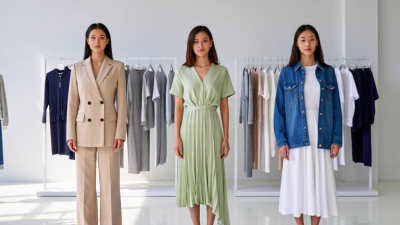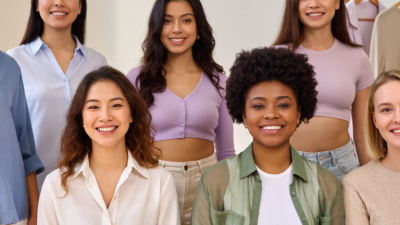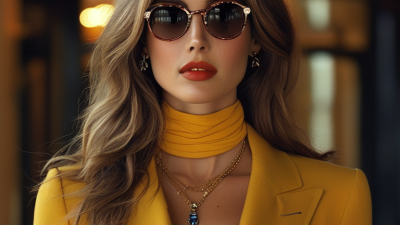
Fashion in 2026 is less about following one strict look and more about choosing pieces that feel personal and wearable. Across women fashion, expect interest in relaxed tailoring, expressive color, tactile fabrics, and details that make familiar clothes feel new. A softly structured blazer, a butter-yellow knit, or a skirt layered over trousers can add character without requiring a complete wardrobe change. Comfort still matters.
This guide explores how these ideas may translate into everyday outfits, from office dressing to weekend layers. It will consider proportion, fabric, color, and practical styling, including how to balance a dramatic sleeve with simpler pieces. Trends vary by region, budget, and personal taste, so no forecast can promise that every look will suit everyone. Some pieces may photograph better than they feel after a long day; that is worth admitting. Look for clothes that move comfortably, hold up to regular wear, and work with items you already own. We will also examine ways to adapt runway-inspired ideas without treating a new purchase as essential. The most useful trend is often the one you can make your own.
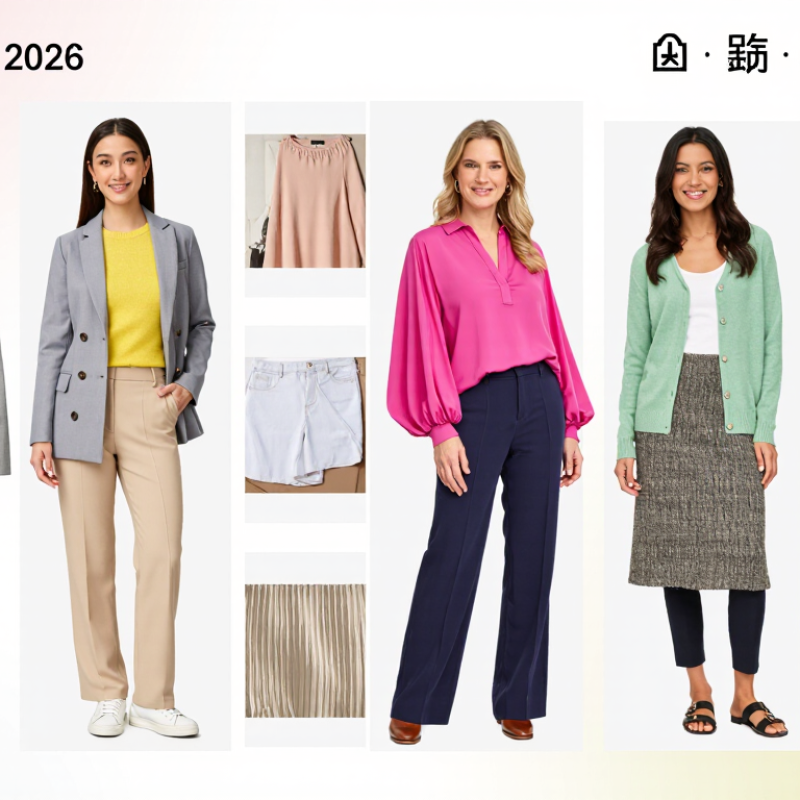
The 2026 fashion landscape for women is likely to reward versatility over constant replacement. McKinsey and The Business of Fashion projected modest global fashion growth of 2% to 4% in 2025, signaling a market where value matters. That context favors pieces with repeat wear: a relaxed blazer over a fine-knit top, wide-leg trousers, and a light layer that works from office to evening. Small details can keep familiar shapes personal, such as a colored scarf, sculptural earrings, or visible contrast stitching. Nothing revolutionary.
Circularity also deserves attention, though it should not be treated as a guilt-free shopping excuse. ThredUp’s 2024 Resale Report, prepared with GlobalData, found that the U.S. secondhand apparel market grew 14% in 2023 and projected 8% annual growth through 2028. That points to stronger interest in pre-owned clothing, repairs, and longer-lasting wardrobes. For everyday dressing, this may mean mixing a carefully chosen secondhand coat with well-fitting basics, rather than chasing every microtrend. I may be giving practicality too much credit; clothes are also play. A vivid skirt or unexpected texture can make an otherwise sensible outfit feel alive.
In 2026, fashion feels less focused on one perfect shape and more interested in contrast. A long, softly tailored jacket can balance a narrow skirt, while a cropped knit gives high-waisted trousers a clearer waistline. The key is proportion, not simply wearing oversized pieces together. That can look heavy. Try one generous shape at a time, then give the rest of the outfit room to breathe.
Hem length changes the whole impression. A skirt ending just below the knee may feel polished with a slim shoe, while a longer, fluid hem pairs easily with a shorter jacket. Wide-leg trousers benefit from a visible waist or a neatly tucked top. These small adjustments are practical, but they are not rules. I still find that a slightly awkward combination can look more personal than a carefully matched set.
Tips: Stand sideways in natural light before leaving. Check where sleeves, hems, and waistlines break your outline. If everything seems to start and stop at the same point, change one length. Keep movement in mind, too; a silhouette should work when you sit, walk, and reach—not only in a mirror.
For 2026, color forecasts point toward richer, nature-inspired shades. WGSN and Coloro named Transformative Teal their 2026 Color of the Year: a deep blue-green that feels vivid without shouting. Try it in a scarf, knit top, or bag, then balance it with cream, soft brown, or charcoal. Small accents work. Forecasts are guides, not rules; a color can look different under office lighting than in a shop window.
Texture gives quieter outfits more character. Cotton poplin holds a crisp shape, while ribbed knits and brushed wool blends add softness and dimension. A sheer layer over a matte camisole creates contrast without adding bulk. Textile Exchange’s Materials Market Report 2024 estimated that polyester made up 57% of global fiber production in 2023. That figure is a reminder to check fabric composition, not a reason to avoid one fiber automatically. I would look for pieces that feel good against the skin and suit their care routine. Trend pieces can be beautiful. They can also sit unworn.
Key Colors, Fabrics, and Textures
The chart highlights a qualitative editorial outlook across colors, fabrics, and textures. Scores are illustrative trend emphasis ratings on a 1–5 scale, not survey results, sales figures, or measured market data.
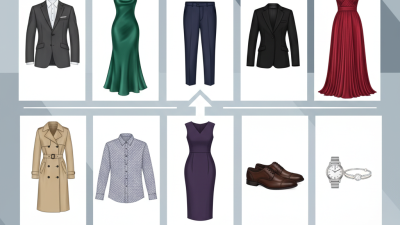
For 2026, women’s clothing is likely to reward versatility: relaxed trousers, lightweight knitwear, and jackets that work across changing temperatures. McKinsey and The Business of Fashion’s State of Fashion 2025 found that more than 80% of surveyed fashion executives expected shoppers to prioritize value for money. That makes cost-per-wear a practical guide: choose pieces that layer easily, rather than outfits that only work once. A soft shirt under a boxy jacket can shift from office to dinner with one change.
Footwear should balance polish and comfort. Try low-profile trainers, simple loafers, or flat sandals with enough support for a full day. For accessories, a wide belt, a roomy everyday bag, or a patterned scarf can add texture without requiring a new wardrobe. Small details matter. ThredUp’s 2025 Resale Report, produced with GlobalData, reported that the U.S. secondhand apparel market grew 14% in 2024, nearly five times faster than the broader clothing market. Buying pre-owned, or repairing a loose button, can extend a garment’s life.
One caveat: trend forecasts are imperfect, and not every silhouette suits every body or routine. A pale suede shoe may look fresh but struggle in wet weather; practicality deserves a vote. Build around fabrics and fits you genuinely reach for, then test one unfamiliar accessory at a time. Often, that is enough.
What Are the Best Fashion Trends for Women in 2026?
A trend only earns space in your wardrobe if it suits your real day. Relaxed tailoring can feel polished at work, while a textured knit adds interest on a chilly commute. Try one noticeable detail, such as a strong color or a utility-style pocket, with familiar pieces you already wear. Check how clothes move when you sit, reach, and walk. A beautiful outfit can still be impractical. I sometimes like a look on the hanger, then find its sleeves awkward under a coat. That is useful information, not a reason to force it.
Tips: Before buying, build two outfits around the item using clothes you own. Check the fabric label and care instructions. If it needs constant adjusting, reconsider.
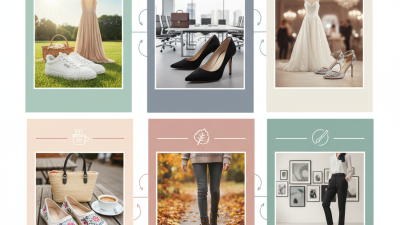
Fit your choices to your routine, climate, and comfort. For a long day, breathable layers and shoes you can walk in may matter more than a dramatic silhouette. For an event, a new shape or accessory can make an old outfit feel fresh. Keep a small note of what you actually reach for each week. It may reveal that your favorite trend is the one you barely notice wearing. Some experiments will miss. That is part of finding your style.
| Style Direction | Key Pieces and Details | Everyday Styling Idea | Adapt It to Personal Style | Practicality |
|---|---|---|---|---|
| Relaxed tailoring | Roomier blazers, straight-leg trousers, soft shoulders, and coordinated separates. | Pair a relaxed blazer with a simple T-shirt, jeans, and comfortable flats. | Choose a defined waist or cropped jacket for a more fitted silhouette; try tonal pieces for a quieter look. | Works for office settings, travel, and casual outings; separates can be worn individually. |
| Sheer layering | Lightweight translucent shirts, skirts, or overlays worn over opaque base layers. | Layer a sheer shirt over a camisole and pair it with jeans or a simple skirt. | Use one sheer item as an accent, or choose a darker, less transparent fabric for more coverage. | Best suited to mild weather or indoor layering; check transparency and care instructions before buying. |
| Sport-inspired separates | Track-style jackets, easy pull-on trousers, knit tops, and streamlined sneakers. | Balance a sporty jacket with straight-leg trousers and a neat, non-athletic top. | Keep the palette neutral for a minimal wardrobe, or add one contrast stripe or bright accessory. | Comfortable for errands and commuting; choose breathable fabrics and secure pockets for daily use. |
| Soft utility dressing | Shirt jackets, practical pockets, adjustable waists, and durable cotton or cotton-blend fabrics. | Wear a utility overshirt over a lightweight knit with relaxed trousers and flat shoes. | Select a clean, streamlined cut for a polished feel, or lean into a looser fit for casual wear. | Useful for changing temperatures and active days; inspect seams, closures, and fabric weight. |
| Expressive color and texture | Color accents, textured knits, tactile fabrics, and combinations of matte and smooth surfaces. | Add a colorful top or textured bag to a neutral outfit rather than changing the whole wardrobe. | Choose shades you already enjoy wearing; repeat one color in a small accessory for a coordinated effect. | A low-commitment way to refresh existing basics; check washing needs for textured fabrics. |
| Modern denim proportions | Straight, wide, or gently relaxed legs; mid- or high-rise waistbands; simple washes and finishes. | Wear relaxed jeans with a tucked-in shirt or fitted knit to create balance between top and bottom. | Choose a rise and leg shape that feel comfortable when sitting and walking; adjust the hem to suit your shoes. | Easy to style across seasons; fit and fabric comfort matter more than a specific cut. |
| Thoughtful wardrobe repeat | Versatile basics, repeatable outfit formulas, repairable pieces, and considered secondhand finds. | Build several outfits around one well-fitting jacket, trousers, or skirt already in your wardrobe. | Prioritize fit, comfort, budget, and existing preferences instead of buying every new look. | Can reduce unnecessary purchases; inspect secondhand items for condition and check garment measurements. |
These are adaptable styling directions rather than rules. Availability, weather, workplace expectations, comfort, and individual preference vary.