How to Style Dress Tops for Every Occasion?

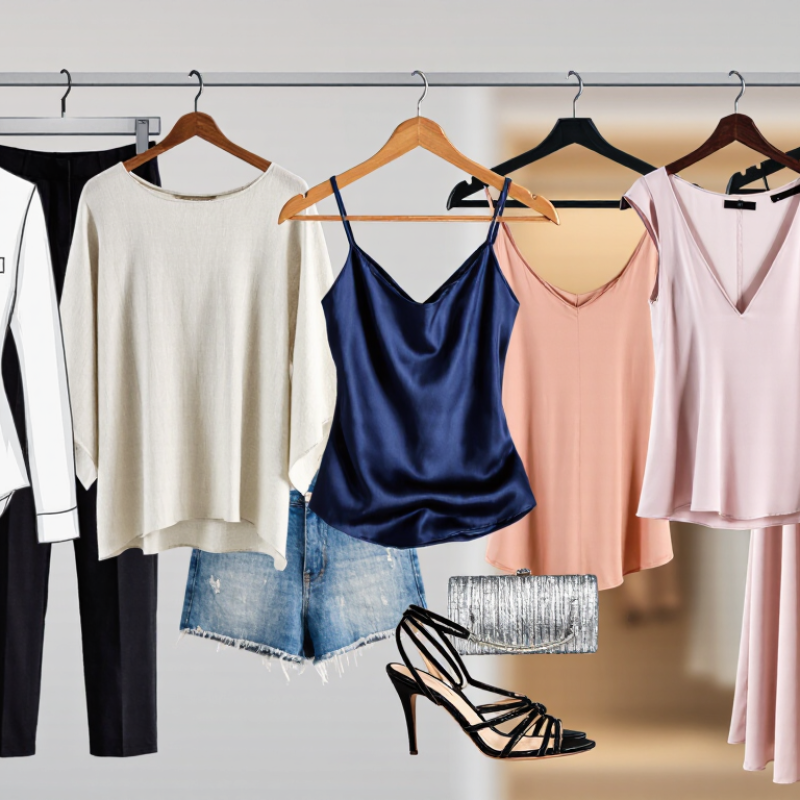
Dress tops can change the direction of an outfit within seconds. A crisp white blouse creates office authority, while a satin camisole softens an evening look. The styling challenge is not owning more clothes. It is choosing the right shape, fabric, and proportion for each setting.

The State of Fashion 2025 report from The Business of Fashion and McKinsey highlights cautious consumer spending and stronger demand for value. That shift makes versatile dress tops especially relevant. A tailored shirt can move from a morning meeting to dinner with only a belt, earrings, or a change of shoes. The 2024 ThredUp Resale Report, prepared with GlobalData, also projects the global secondhand apparel market will reach $350 billion by 2028. Durable, adaptable pieces matter more than passing trends.

Fashion stylist Allison Bornstein describes personal styling through her “three-word method,” saying, “The three-word method is a tool to help you define your personal style.” Her idea offers a practical starting point for dress tops: choose words such as polished, relaxed, or dramatic, then assess every neckline and sleeve against them. Keep it specific. A loose linen top may suit “relaxed,” but look careless beneath a formal blazer. A silk shell may appear elegant, yet feel impractical during a long commute. I have found that comfort often decides whether a beautiful top becomes a wardrobe favorite. That detail is easy to underestimate. This guide will explore dress tops for work, weekends, ceremonies, travel, and evenings, while acknowledging that personal style rarely follows perfect rules.
How to Style Dress Tops for Every Occasion?

Understanding Dress Top Styles and Their Key Features

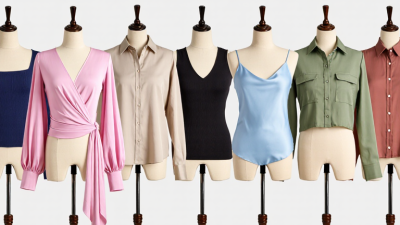
Dress tops are defined by shape, fabric, neckline, and finishing details. These features decide how easily one piece moves between occasions. A crisp cotton shirt creates structure for office hours. A satin camisole adds softness for evening plans. A knit top with a high neckline feels practical in cooler weather. The best choice is not always the most decorative one. I often check shoulder seams first, because poor placement can make an otherwise polished top look careless.

Necklines also change visual balance. A V-neck can lengthen the upper body, while a boat neck emphasizes the shoulders. Puff sleeves bring volume, but they may compete with wide-leg trousers. For a formal setting, pair a clean neckline with tailored pants and restrained jewelry. For a casual lunch, try a relaxed top, straight denim, and low-profile shoes. These combinations are simple, yet they depend on proportion. Sometimes my first styling attempt looks too busy. That is useful feedback.

Versatility matters as shoppers manage tighter budgets. The State of Fashion 2024 report, published by McKinsey and The Business of Fashion, projected global fashion growth of only 2–4% in 2024. This modest outlook strengthens the case for adaptable dress tops. Choose washable fabrics, secure seams, and colors that work across seasons. The Ellen MacArthur Foundation reports that clothing utilization remains low in many markets, with garments often discarded before reaching their full potential. A top worn to work, dinner, and travel earns more value. Still, versatility should not erase personality. A small texture, unusual cuff, or carefully chosen color can make repeated wear feel intentional.
Choosing Dress Tops for Different Occasions

How to Style Dress Tops for Every Occasion?

Choosing Dress Tops for Different Occasions

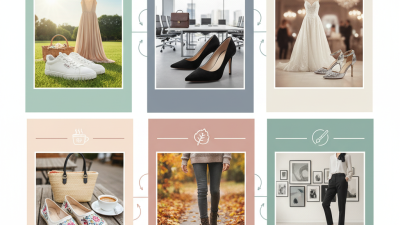
Choosing a dress top starts with the setting, not the latest trend. For office meetings, select a structured top with a modest neckline and smooth fabric. Cream, navy, and soft gray usually look professional under bright workplace lighting. Tuck it into tailored trousers, then add simple earrings and closed-toe shoes. Check the sleeves before leaving home. Loose cuffs can catch on desks and become surprisingly distracting.

For dinner dates or evening events, a satin-like finish can create gentle movement under warm lights. Choose a fitted shape if your skirt or trousers are wide. Balance matters. A square neckline may feel polished with delicate jewelry, while a high neck works well with bold earrings. For casual gatherings, try a breathable cotton or linen top with straight-leg jeans. Roll the sleeves once, but not too neatly. That small imperfection can make the outfit feel more natural.

Season and comfort deserve equal attention. Lightweight layers suit spring ceremonies, while soft knits protect the shoulders during cool autumn evenings. At weddings, avoid overly casual fabrics and choose details such as pleats, covered buttons, or a subtle sheen. I often test an outfit by sitting, walking, and lifting my arms. It sounds excessive, but an attractive top that restricts movement quickly loses its appeal. I still choose the wrong length sometimes. Checking the mirror from every angle helps.

How to Style Dress Tops for Every Occasion

Recommended styling priorities for choosing dress tops across common occasions. Scores are based on practical wardrobe considerations such as formality, comfort, structure, and ease of movement.

Higher scores indicate that the feature should receive more attention when selecting a dress top for the occasion.

Matching Fabrics, Colors, and Fits to Each Setting

How to Style Dress Tops for Every Occasion?

The right dress top begins with the setting, not a favorite trend. For office hours, choose breathable cotton, fine poplin, or a smooth blend that resists creasing. A structured fit looks polished without restricting movement. Soft blue, cream, and muted gray create a calm professional impression. Keep patterns small when meetings involve close conversation.

For dinner, satin or lightweight silk can add gentle movement under warm lighting. Choose a deeper color, such as burgundy, forest green, or navy. A relaxed neckline works well, but it should remain comfortable when you sit. Tuck the top into high-waisted trousers, or let it fall over a straight skirt. Check the fabric under indoor lights. Some finishes appear brighter than expected.

Casual settings invite texture and ease. Linen blends, soft jersey, and brushed cotton feel natural for weekend plans. Try a loose fit with rolled sleeves and simple trousers. I once chose an oversized top for a long lunch, and the fabric kept slipping forward. It looked effortless, but it needed better balance. Now I check shoulder seams and hem length before leaving home. A warm neutral suits daytime, while a clear color can lift a simple outfit. Comfort still matters. A beautiful top that needs constant adjustment rarely feels elegant.

Styling Dress Tops with Bottoms, Shoes, and Accessories

How to Style Dress Tops for Every Occasion?

A dress top becomes more versatile when its proportions match the bottom. For office hours, tuck a structured blouse into high-waisted trousers. Keep the hem smooth, not bulky. A slim belt can define the waist without distracting from the neckline. For relaxed afternoons, pair a soft camisole with straight-leg denim and an open overshirt. The contrast adds shape and prevents the outfit from looking unfinished.

Shoes change the message quickly. Pointed flats sharpen wide-leg trousers, while clean sneakers make a satin top feel less formal. For evening plans, low-heeled sandals expose the ankle and lengthen the silhouette. The 2024 McKinsey–BoF State of Fashion report describes low-single-digit industry growth and stronger value-conscious shopping. That supports choosing adaptable pieces instead of one-use outfits. The 2024 ThredUp Resale Report projects the global secondhand apparel market could reach 350 billion dollars by 2028. Buying versatile tops and styling them repeatedly makes practical sense.

Accessories should echo one detail from the top. Try small metal earrings with a square neckline, or a narrow scarf with a sleeveless style. A structured bag balances fluid fabric. I sometimes add too many pieces and lose the outfit’s quiet shape. Removing one accessory often works better. Check the mirror from the side, especially with fitted bottoms. A top may look polished from the front but pull awkwardly across the back. Comfort matters, though I still occasionally choose appearance first and regret it later.

Adjusting Dress Top Outfits for Seasonal and Formal Needs

Seasonal dressing changes the role of a dress top. In spring, I prefer cotton poplin, soft linen, or a pale knit with rolled sleeves. These fabrics breathe well and look intentional with wide-leg trousers. The 2025 State of Fashion report by McKinsey and The Business of Fashion forecasts only 2% to 4% global fashion growth. That restrained outlook makes versatile clothing more valuable. One top should work beyond one event.

For hot weather, choose a relaxed neckline and lighter construction. Add a thin belt, low-profile shoes, and a structured tote for office hours. In winter, layer a silk-blend top beneath a fine wool jacket. Darker shades create visual weight, but texture prevents the outfit from looking flat. Keep the neckline visible. Small details matter. I once overdressed a light satin top with heavy accessories, and the fabric lost its softness. The mistake was useful.

Formal needs require sharper control. A high-neck top with tailored trousers can suit a conference, while a subtle sheen works better for an evening reception. The Global Wellness Institute’s 2024 workplace report highlights growing attention to comfort and well-being at work, so restrictive styling deserves reconsideration. Choose covered shoulders when the setting is conservative, but avoid hiding every line of the garment. Test the outfit while sitting, walking, and reaching. A polished look can fail when sleeves pull or fabric catches. My own fitting checks remain imperfect, especially with delicate cuffs.

How to Style Dress Tops for Every Occasion? - Adjusting Dress Top Outfits for Seasonal and Formal Needs
Season Occasion Recommended Dress Top Suitable Fabric Bottom Pairing Layering Option Color Direction Key Styling Detail Formality
Spring Office Day Long-sleeve blouse with a modest neckline Cotton poplin or silk blend Tailored ankle trousers or a knee-length pencil skirt Lightweight cardigan or unstructured blazer Soft blue, ivory, sage, or muted lavender Choose a tucked-in fit and simple jewelry for a polished appearance. Business Casual
Spring Brunch or Day Gathering Peplum top or softly draped wrap top Viscose, cotton voile, or lightweight linen blend High-waisted wide-leg trousers or an A-line midi skirt Cropped denim jacket or lightweight trench coat Floral accents, cream, coral, or light green Define the waist with a wrap tie or slim belt while keeping accessories relaxed. Smart Casual
Summer Outdoor Lunch Sleeveless shell top or short-sleeve pleated blouse Linen, cotton, or Tencel lyocell Breathable culottes, linen trousers, or a midi skirt Light cotton overshirt for indoor air conditioning White, sky blue, sand, or other light neutral shades Select breathable, opaque materials and keep the silhouette loose enough for warm weather. Casual
Summer Evening Dinner One-shoulder top or satin camisole with wider straps Satin, crepe, or lightweight silk blend High-waisted tailored trousers or a flowing midi skirt Fine-knit shawl or cropped evening jacket Black, navy, emerald, burgundy, or metallic neutrals Balance a statement neckline with understated bottoms and refined sandals or pumps. Semi-Formal
Autumn Work Presentation Structured blouse with a stand collar or bow detail Crepe, brushed cotton, or medium-weight polyester blend Pressed trousers or a straight midi skirt Fitted blazer or tailored wool-blend jacket Charcoal, camel, deep teal, plum, or ivory Avoid excessive volume around the neckline so the outfit remains professional on camera and in person. Business Formal
Autumn Weekend Event Ribbed knit top with a boat neck or square neck Merino wool, cotton knit, or viscose knit Dark straight-leg jeans, corduroy trousers, or a pleated skirt Leather-free utility jacket, trench coat, or long cardigan Rust, olive, mustard, chocolate brown, or warm beige Combine one textured piece with smoother fabrics to create visual balance. Smart Casual
Winter Formal Reception High-neck blouse or long-sleeve draped top Silk, velvet, crepe, or fine-gauge wool Floor-length skirt, tailored wide-leg trousers, or a refined midi skirt Tailored coat or elegant velvet-textured jacket Black, midnight blue, deep red, silver, or winter white Use rich texture and clean lines, keeping embellishment limited to one focal point. Formal
Winter Business Meeting Opaque long-sleeve blouse with a pointed or rounded collar Cotton sateen, crepe, or wool-blend jersey Matching tailored trousers or a structured midi skirt Single-breasted blazer and a wool-blend coat Navy, charcoal, cream, burgundy, or forest green Layer thin, smooth fabrics to maintain a neat shape beneath a blazer. Business Formal
Winter Casual Social Gathering Mock-neck top or fitted ribbed blouse Merino wool, cotton rib, or soft modal blend High-rise jeans, wool trousers, or a corduroy midi skirt Oversized cardigan, quilted jacket, or long coat Oatmeal, navy, slate, forest green, or muted rose Use a fitted top under a relaxed outer layer to prevent the outfit from appearing bulky. Casual