China Top Kids Dresses Manufacturers for Global Buyers?

China remains a major sourcing base for buyers seeking reliable kids dresses at competitive prices. Its manufacturing network covers cotton day dresses, party styles, knitted designs, and seasonal collections. Experienced factories often support pattern development, size grading, fabric selection, sampling, and private labeling.

Professor Sheng Lu, an apparel industry researcher, has said, “The apparel industry is changing from a low-cost model to a value-driven model.” This view matters when evaluating China’s kids dresses manufacturers. Low pricing alone cannot prove a dependable supplier. Buyers should examine fabric composition, colorfastness reports, stitching quality, measurement charts, and production consistency. Small details matter. A loose button, uneven hem, or rough neckline can damage customer trust.

A practical review should compare factory experience, monthly capacity, minimum order quantities, sample accuracy, and communication speed. Buyers may request a sample in cotton poplin, inspect the seams, then compare it with the bulk production. Factory videos can help, but they are not complete evidence. On-site audits, independent inspections, and documented quality procedures provide stronger assurance. Certifications should also be verified rather than accepted at face value.

No supplier is perfect. Even a well-managed factory may face fabric delays or color variations. That deserves honest discussion. The strongest manufacturers explain risks early and offer workable solutions. This guide examines China’s leading kids dresses manufacturers through product quality, customization, production reliability, pricing, and export experience. It is designed for global buyers who need evidence, not attractive promises.
China Top Kids Dresses Manufacturers for Global Buyers?

What Makes China a Leading Source of Kids’ Dresses

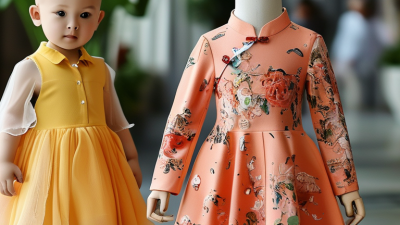
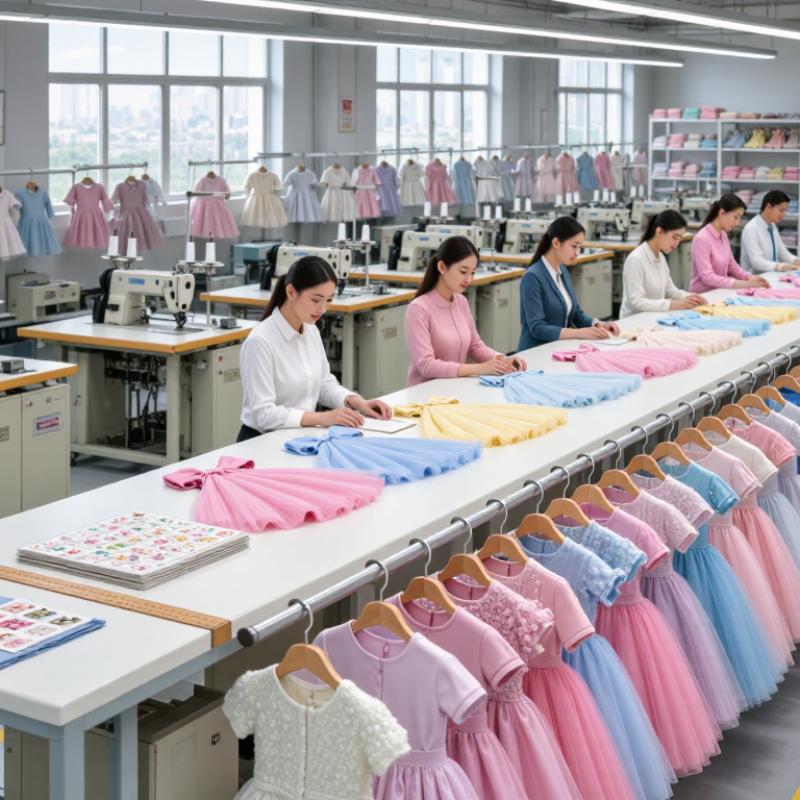
China has become a leading source of children’s dresses because its manufacturing network is broad and adaptable. Buyers can compare cotton jersey, linen blends, tulle, and woven fabrics within one sourcing region. Factories often support small design changes, including sleeve length, waist placement, lining, and seasonal colors. This flexibility helps importers develop practical collections without rebuilding the entire production process.

Production experience still matters. Reliable manufacturers usually provide fabric swatches, size charts, pre-production samples, and stitching details before bulk work begins. They can also arrange colorfastness checks, measurement inspections, and packaging reviews. From sourcing work, I have learned that communication is often more important than a low quotation. A cheap sample means little if the final waistline shifts or buttons loosen. No supplier is perfect. Small errors can still appear, especially during busy seasons. Clear records and independent inspections reduce that risk.

Tips: Ask for recent samples, detailed measurements, fabric composition, and production timelines. Confirm children’s product safety expectations for your target market. Request photos of seams, hems, labels, and packaging. Discuss minimum order quantities early. It saves time. Keep approved samples for comparison. This simple step can reveal changes before shipment.

How to Identify Reliable Chinese Kids’ Dress Manufacturers

Reliable Chinese kids’ dress manufacturers reveal their capabilities through evidence, not attractive websites. Request a factory profile, business license, production photos, and recent export experience. Confirm whether sampling, cutting, sewing, finishing, and packing happen in one facility. A polished showroom proves little. Ask for a live video tour or an independent factory audit.

Order samples in several sizes and inspect them under normal handling. Check seam strength, loose threads, button attachment, zipper movement, and hem consistency. Measure each piece against the approved specification. Test fabric shrinkage, colorfastness, and fiber composition through an accredited laboratory when needed. Children’s clothing requires extra attention to small parts, sharp edges, cords, and chemical limits in the destination market. Certificates without matching test reports deserve caution.

Communication also matters. A dependable supplier confirms fabric weight, color codes, tolerances, packaging, and delivery dates in writing. Ask how rejected pieces are recorded and replaced. Request a realistic production schedule, not an optimistic promise. I have found that low prices can hide weak inspection systems or unstable subcontracting. That lesson is easy to overlook. Before placing a larger order, use a small trial shipment and conduct a pre-shipment inspection. Review payment terms carefully, keep approved samples, and document every change. Mistakes may still happen, but transparent records make responsibility easier to trace.

Key Materials, Designs, and Production Capabilities to Compare

China Top Kids Dresses Manufacturers for Global Buyers?

Key Materials, Designs, and Production Capabilities to Compare

Material selection affects comfort, durability, and production cost. Cotton poplin gives children’s dresses a crisp shape and easy washing. Cotton jersey feels softer and suits relaxed, everyday styles. Linen blends create a natural texture, but they may wrinkle quickly. Ask for fabric weight, fiber content, shrinkage data, and colorfastness results. Small swatches reveal more than attractive catalog photos.

Design details also deserve close inspection. Check seam strength, lining quality, button attachment, and hem finishing. Avoid sharp trims or loose decorations. A practical sample should survive repeated washing. Measure it before and after laundering. That small test can expose serious grading problems. Prints, embroidery, and pleats require clear artwork files and approved samples. Some suppliers promise precise results, yet production variations still happen.

Production capability is more than factory size. Compare sampling speed, pattern development, cutting accuracy, sewing lines, and final inspection procedures. Ask how the manufacturer handles size sets and late-stage corrections. Confirm monthly capacity during peak seasons, not only in quiet months. Review material traceability and independent test documentation for children’s apparel. Factory visits or third-party inspections can verify working conditions and quality controls. I would not trust the lowest quotation without checking these details. It may reflect thinner fabric, rushed stitching, or overlooked inspection steps. Reliable communication matters too. A clear measurement chart prevents expensive misunderstandings.

Safety Standards and Certifications for Children’s Dresses

China Top Kids Dresses Manufacturers for Global Buyers?

Safety Standards and Certifications for Children’s Dresses

Reliable children’s dress production starts with risk control, not attractive photographs. Experienced manufacturers inspect neck loops, waist ties, sharp trims, buttons, snaps, and loose sequins. A small button can become a serious choking hazard. Sleeves also need testing after repeated washing. This detail is often missed.

Global buyers should request current test reports for each fabric, color, and finished style. Common checks include lead, restricted dyes, formaldehyde, phthalates, and colorfastness. Requirements differ by destination. EN 14682 addresses cords and drawstrings in children’s clothing. REACH controls restricted chemical substances in many European markets. In the United States, applicable children’s products may require testing and certification under relevant federal rules. Local requirements still need confirmation.

Useful evidence includes laboratory reports, material declarations, production records, and traceable batch numbers. ISO 9001 can indicate a controlled quality system, but it does not replace garment safety testing. Textile certifications may support claims about fibers or chemical processing, yet their scope must be checked carefully. During factory visits, buyers can compare production samples with approved samples and observe needle, metal, and packing controls. I have seen specifications pass on paper while a trim changed during bulk production. That is why random inspections matter. No system is perfect. Rechecking remains necessary.

How Global Buyers Can Manage Pricing, Orders, and Shipping

China Top Kids Dresses Manufacturers for Global Buyers?

Global buyers should price children’s dresses by landed cost, not factory price alone. Request quotations for 300, 1,000, and 3,000 units. Compare fabric, trims, packaging, inspection, and payment terms separately. A low unit price may hide expensive sampling or rework. The World Trade Organization reported that global merchandise trade volume grew 2.9% in 2024, showing why flexible ordering matters when demand changes. Smaller trial orders can protect cash flow, though they usually carry higher unit costs.

Use a written purchase order with size charts, color references, tolerances, delivery dates, and defect rules. Send one approved sample to the production line. This sounds obvious. It is often missed. A practical schedule includes pre-production approval, mid-production photos, and final inspection before balance payment. Buyers should also confirm whether prices are EXW, FOB, or CIF. These terms can change the real budget significantly.

Shipping needs equal attention. UNCTAD’s Review of Maritime Transport reports that over 80% of global merchandise trade by volume moves by sea. Sea freight suits larger dress orders, while air freight helps with urgent replenishment. Ask for carton dimensions, gross weight, port details, and estimated sailing time. Build a buffer for port congestion and customs review. My experience suggests that buyers often plan production carefully but underestimate the last-mile cost. That mistake can erase a promising margin.

China Kids Dresses Manufacturers: Logistics Readiness for Global Buyers

World Bank Logistics Performance Index scores, 2023 scale: 1 = low performance, 5 = high performance

China’s overall logistics score provides useful context when buyers compare pricing, order planning, customs coordination, tracking, and international shipping options. The score is a country-level indicator and should be combined with supplier quotations, Incoterms, production lead times, inspection arrangements, and landed-cost calculations.

Source: World Bank Logistics Performance Index 2023. Country scores are not company or brand data.