How to Source Summer Dresses for Global Buyers in 2026?

Sourcing summer dresses for global buyers in 2026 requires more than attractive samples and competitive prices. Buyers must connect trend research with fabric performance, ethical production, and dependable delivery. A lightweight linen-blend dress may look perfect in a showroom, yet shrink after washing or crease during long-distance transport. Small details matter.

This guide examines practical methods for finding capable suppliers, comparing quotations, and validating production claims. It considers breathable fabrics, inclusive sizing, colorfastness, stitching quality, and packaging efficiency. Supplier audits, factory records, sample reviews, and third-party testing can reduce avoidable risks. They do not remove every risk.

Market signals remain useful, but forecasts can be wrong. A color popular on social media may sell slowly in a different region. Buyers should test limited quantities before placing larger orders. Regional climate, cultural preferences, retail calendars, and import requirements also deserve attention. Compliance should be verified with qualified local professionals, especially when labeling, product safety, or environmental claims are involved.

Reliable sourcing is built through evidence. Request clear specifications, realistic production timelines, and documented quality procedures. Visit factories when possible, or use reputable independent inspection services. Keep approval samples and inspection photos on record. Communication can still fail.

Some recommendations in this guide may need adjustment for specific markets, budgets, or business models. That limitation is important. The strongest sourcing strategy remains flexible, transparent, and willing to question its own assumptions. For global buyers, better summer dresses begin with better decisions.

How to Source Summer Dresses for Global Buyers in 2026?

Define the 2026 Global Summer Dress Sourcing Landscape

How to Source Summer Dresses for Global Buyers in 2026?

The 2026 summer dress market will be shaped by climate diversity, cautious spending, and shorter buying cycles. Buyers in Southern Europe may seek linen blends, while Gulf markets often require breathable fabrics with more coverage. This is not a single summer market. It is a group of climate-specific demand patterns.

Textile Exchange’s Materials Market Report 2024 recorded global fiber production at 124 million tonnes in 2023. Polyester represented about 57% of output, showing why synthetic fabrics remain commercially important.

Yet buyers now examine fiber composition, recycled content, and end-of-life claims more carefully. Suppliers should provide test reports, fabric weights, shrinkage results, and colorfastness data before sampling.

Small details matter. A 1.5-centimeter measurement error can affect fit across multiple markets.

McKinsey and The Business of Fashion’s State of Fashion 2025 identified geoeconomic fragmentation and weak consumer confidence as major industry pressures. Therefore, flexible minimum order quantities and staged production can reduce inventory exposure.

Digital sampling may shorten development time, but physical samples still reveal drape, transparency, and heat comfort.

Forecasting remains imperfect. A color that performs well in one region may fail elsewhere.

Experienced sourcing teams should compare regional sales data, review returns, and adjust assortments before committing to large volumes.

Identify Target Markets, Buyer Needs, and Seasonal Trends

How to Source Summer Dresses for Global Buyers in 2026?

In 2026, sourcing summer dresses starts with market selection, not fabric browsing. In my buying projects, climate and shopping habits shaped the first shortlist. Gulf markets often need breathable, covered silhouettes and reliable lining. Southern Europe favors linen blends, open backs, and day-to-evening styles. North American buyers may request inclusive sizing, easy-care finishes, and wider color choices. These are useful patterns, not fixed rules.

Buyer conversations should identify the customer before sample approval. Ask about retail price, delivery windows, size curves, packaging, and return concerns. A boutique may need 80 pieces per style, while a chain may require stable replenishment. Request measurement charts early. A beautiful sample can still fail if the armhole feels tight or the skirt wrinkles after washing. Test with real movement. Sitting matters.

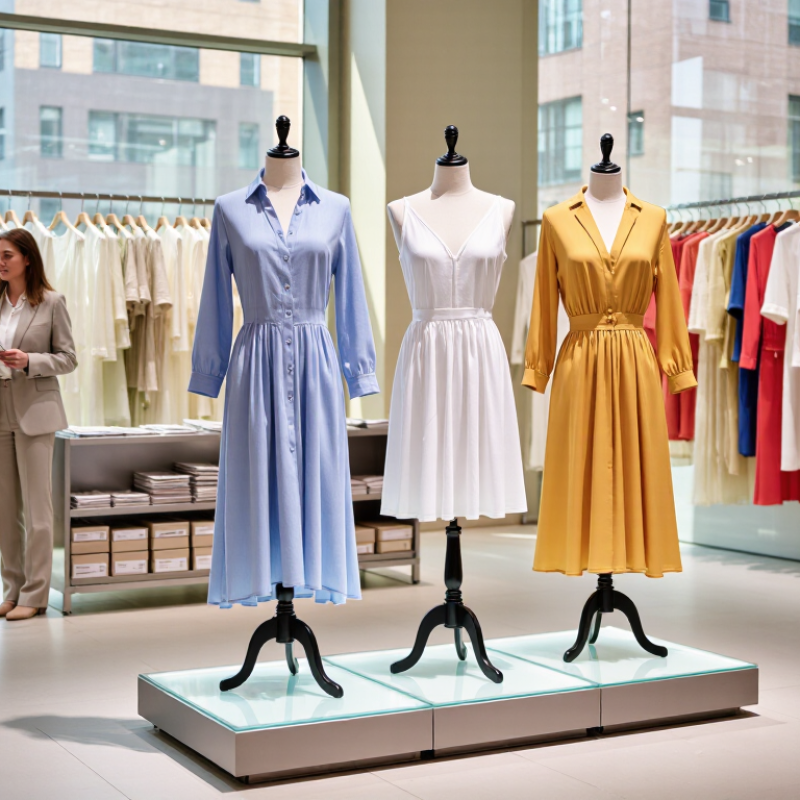
For summer 2026, soft yellow, mineral blue, and sun-washed neutrals offer practical trend directions. Lightweight poplin, cotton voile, and recycled viscose support different price levels. However, trend reports can mislead when regional weather differs. I once overestimated a bright color because showroom lighting softened it. Small shade cards would have exposed the mistake earlier. Compare daylight photos, wash tests, and lead times before confirming bulk quantities. Keep a backup fabric. Weather is unpredictable.

Evaluate Suppliers, Materials, Certifications, and Production Capacity

For global buyers sourcing summer dresses in 2026, supplier evaluation should begin with evidence, not attractive catalog photos. I check factory addresses, export records, sample consistency, and recent inspection reports. Textile Exchange’s Materials Market Report 2024 estimated global fiber production reached 124 million tonnes in 2023. Polyester represented about 57% of that volume. Material choice affects cost, comfort, recyclability, and customer expectations. Ask for fiber composition, fabric weight, colorfastness results, and shrinkage data before approving samples.

Look closely at certifications. GOTS can support organic textile claims, while GRS verifies recycled material content through controlled supply chains. OEKO-TEX Standard 100 testing helps identify harmful substances in finished garments. Certificates should show the legal factory name, scope, expiry date, and certified processing site. A certificate is not proof of perfect production. Verify it independently.

Capacity needs practical testing. Request monthly output, line numbers, sewing-machine types, peak-season utilization, and subcontracting policies. Compare these figures with your order quantity and delivery window. A factory claiming 100,000 dresses monthly may lack enough cutting or quality-control staff. Production can slow sharply during holiday periods. Industry reports often present broad averages, but factory conditions vary widely. I would place a small pilot order, measure defect rates, and inspect packed cartons. That costs more initially. It may prevent a much larger failure.

Compare Costs, Minimum Orders, Sampling, and Shipping Options

How to Source Summer Dresses for Global Buyers in 2026?

For summer dresses, compare more than the factory unit price. Request costs for fabric, trims, labor, packaging, and quality checks. A dress quoted at $8 may reach $12 after sampling, labels, freight, and import charges. Use a landed-cost sheet for every supplier. My first spreadsheet missed carton volume. That mistake distorted the final margin.

Minimum order quantities deserve careful negotiation. Some suppliers require 300 pieces per color, while others accept 100 mixed pieces. Ask whether the minimum applies to each size, color, or total order. Lower quantities may increase the unit cost. They can still protect cash flow for a new collection. Record production capacity, lead times, and payment stages in writing. Vague promises create expensive delays.

Sampling should test more than appearance. Order one sample in the largest planned size and check stitching, shrinkage, lining, and colorfastness. Request a pre-production sample before bulk cutting. Keep approval photos and measurement charts with the purchase agreement. Shipping choices also change risk. Air freight suits urgent samples, but sea freight usually reduces bulk costs. Compare port-to-port and door-to-door quotations, including insurance and customs handling. Ask for carton dimensions and gross weight before booking. I once trusted an estimated carton count. It was wrong. A small buffer for freight changes is sensible, though not perfect. Regular supplier audits, documented inspections, and clear corrective-action terms strengthen purchasing decisions.

How to Source Summer Dresses for Global Buyers in 2026?

Indicative 2026 planning benchmarks by sourcing region. Values are midpoint estimates for standard lightweight summer dresses and can vary by fabric, construction, order volume, Incoterms, destination, and season.

FOB cost is shown in USD per garment, minimum order quantity in units, sampling lead time in calendar days, and ocean transit time in calendar days. Turkey generally offers shorter transit times to Europe, while Bangladesh and India may provide lower garment costs at higher minimum order quantities.

Build a Reliable Sourcing and Quality Control Process

How to Source Summer Dresses for Global Buyers in 2026?

Build a Reliable Sourcing and Quality Control Process

Reliable summer dress sourcing starts with a clear product brief. Define fabric content, weight, measurements, colors, trims, and packing requirements. A technical sheet should show seam details and tolerance limits. Add photos of approved samples from several angles. This reduces interpretation errors across time zones.

I recommend evaluating suppliers through sample quality, communication speed, production capacity, and documented inspection procedures. Request a pre-production sample before confirming bulk work. Check fabric shrinkage after washing. Measure bust, waist, length, and strap placement. Inspect stitching, seam strength, color consistency, and loose threads. Keep signed sample records for every order. Small details become expensive problems later.

Quality control should happen during production, not only before shipment. Use an inspection plan with clear checkpoints and defect categories. Record carton counts, measurements, fabric rolls, and inspection photos. An independent inspector can add useful distance. Still, inspection is not a substitute for supplier communication. In my experience, our early checklist missed shade differences between fabric batches. The process looked complete. It was not. Now, we compare approved fabric swatches under natural and indoor light. We also review the first production pieces before the full run. This extra step costs time, but it exposes weaknesses while correction remains practical. Some tolerance decisions still require judgment, especially with soft fabrics. Document those decisions instead of assuming everyone understands them.

How to Source Summer Dresses for Global Buyers in 2026? - Build a Reliable Sourcing and Quality Control Process

Practical sourcing and quality-control framework for lightweight summer dresses. Quantitative figures marked as “planning target” are operational benchmarks that should be adjusted to the product, market, and order terms.

Process Stage Data Dimension Control Point Measurable Requirement Verification Method Timing and Evidence
1. Market Definition Target customer and climate Define use case, temperature range, modesty preference, dress length, sleeve coverage, and local seasonality. One approved product brief before supplier outreach. Document intended market, end use, size range, color range, and expected retail positioning. Required
Before quotation requests
2. Product Specification Technical specification Record garment measurements, tolerances, construction details, trims, packaging, and labeling requirements. At least 95% of critical measurements have defined tolerances. Use a graded measurement chart and a signed technical pack. Critical points should normally have tighter tolerances than non-critical points. Required
Version-controlled tech pack
3. Fabric Selection Fiber composition Confirm whether the fabric is cotton, viscose, linen, polyester, or a blend, including tolerance for composition claims. Composition on the test report matches the approved specification and applicable labeling rules. Obtain a laboratory fiber-composition report and compare it with the care-label information. Required
Before bulk fabric approval
3. Fabric Selection Fabric weight and width Control fabric GSM, usable width, hand feel, opacity, shrinkage, and shade consistency. GSM and usable width remain within the tolerance stated in the specification; shrinkage target is agreed before cutting. Measure GSM, usable width, and dimensional change after the agreed wash method. Inspect fabric under consistent lighting. Control
Bulk-lot inspection report
3. Fabric Selection Summer comfort Assess breathability, moisture management, softness, cling, transparency, and heat comfort. No unacceptable transparency, roughness, or excessive cling in the approved wear-test conditions. Conduct internal wear testing and, where relevant, use air-permeability or moisture-management testing through a qualified laboratory. Required
Before pre-production sample
4. Supplier Screening Production capability Check experience with lightweight woven or knitted garments, seam construction, embroidery, printing, and finishing. Supplier demonstrates capacity for the planned order volume without relying on undisclosed subcontracting. Review factory questionnaire, production-floor evidence, equipment list, quality procedures, and recent sample records. Required
Supplier approval file
4. Supplier Screening Compliance and traceability Confirm legal entity information, labor and safety controls, material traceability, and subcontractor disclosure. 100% of critical compliance documents are current and traceable to the production site. Review audit records, business licenses, facility address, corrective-action reports, and subcontractor declarations. Required
Before purchase order
5. Costing Total landed cost Calculate product cost, packaging, inspection, testing, freight, duties, insurance, payment fees, and expected rework. Use one consistent cost model for supplier comparison; show every included and excluded cost. Compare at least three comparable quotations using the same specification, Incoterm, order quantity, and shipment assumption. Required
Quotation comparison sheet
5. Costing Order quantity and capacity Match the planned order to minimum order quantity, fabric minimums, color minimums, and monthly capacity. Confirmed quantity is within the supplier’s stated capacity and does not create unapproved material leftovers. Obtain written MOQ, lead-time, capacity, and material-reservation details for each color and size range. Control
Before order confirmation
6. Sampling Development sample Check silhouette, fit, measurements, fabric behavior, color, trims, construction, and packaging assumptions. All critical comments are closed before the pre-production sample is approved. Use dated sample comments with approval status: open, revised, approved, or rejected. Required
Approved sample becomes the reference standard
6. Sampling Fit and grading Test the base size and at least one additional size to identify grading, armhole, neckline, and length problems. Measurement results fall within the approved tolerance at every checked point. Use a fit model or standardized measurement method; record actual measurements rather than pass/fail only. Required
Fit report before bulk cutting
7. Testing Colorfastness Evaluate color transfer and fading from laundering, perspiration, water, and rubbing. Set minimum grades by end market and product risk; a common development benchmark is grade 4 or better for many routine tests. Use an accredited or technically competent laboratory and identify the exact test method, fabric color, and result grade. Control
Pre-production test report
7. Testing Dimensional stability Measure length and width change after the agreed care cycle, including twisting or spirality where relevant. Results remain within the tolerance specified in the product brief after the defined wash and dry process. Test a representative sample using the agreed care method and compare with the approved measurement chart. Required
Before bulk approval
7. Testing Seam and garment durability Check seam strength, seam slippage, tear resistance, button or snap attachment, and zipper performance where applicable. No open seams, detached trims, or failed closures during wear and laboratory checks. Combine visual inspection, manual pull checks, and applicable textile performance tests based on garment construction. Control
Risk-based test plan
7. Testing Restricted substances Screen dyes, prints, coatings, metal trims, and other components for substances restricted by the destination market. All tested components comply with the applicable destination-market chemical requirements. Maintain a component list and obtain laboratory reports that identify sample composition, test scope, and report date. Required
Before shipment for regulated markets
8. Production Control Pre-production meeting Align approved sample, measurements, fabric shade, construction, packing, inspection method, and escalation contacts. 100% of critical quality points are reviewed and acknowledged by production and quality teams. Issue a meeting record, signed reference sample, approved artwork, and latest technical pack revision. Required
Before bulk cutting
8. Production Control Inline inspection Inspect fabric, cutting accuracy, sewing quality, shade matching, measurements, and work-in-progress packaging. Perform the first inline check early enough to correct systemic defects before most units are completed. Inspect a representative production quantity and issue corrective actions with responsible person and deadline. Control
During cutting and sewing
8. Production Control Defect classification Separate critical, major, and minor defects to prevent inconsistent acceptance decisions. Zero critical defects; major and minor limits must be agreed before final inspection. Use a defect library with photos or descriptions covering stains, holes, skipped stitches, shade variation, measurement failures, and labeling errors. Required
Inspection checklist
9. Final Inspection AQL sampling Apply a recognized attribute-sampling plan based on lot size and inspection level. AQL 2.5 for major defects and AQL 4.0 for minor defects are common commercial starting points, subject to buyer agreement. Define lot size, sample size, inspection level, defect limits, and acceptance/rejection rules before inspection. Control
Final random inspection
9. Final Inspection Measurement and appearance Verify measurements, workmanship, shade, symmetry, labeling, pressing, folding, and packaging against the approved standard. All critical points pass; failed lots require documented rework and reinspection. Inspect packed and unpacked units using calibrated measuring tools and consistent lighting conditions. Required
Before shipment release
10. Packaging and Labeling Care and fiber labels Ensure fiber content, care instructions, country-of-origin information, size, and required market disclosures are accurate. Label content matches the tested product and destination-market requirements. Approve artwork before production and conduct a label-to-garment reconciliation during final inspection. Required
Artwork approval and final check
10. Packaging and Labeling Carton and packing accuracy Control assortment, carton quantity, carton markings, polybag warnings where applicable, and dimensional or weight limits. Packing list, carton markings, and physical contents match with no unexplained quantity variance. Perform carton-by-carton or statistically defined verification and retain packing photos. Control
Before container loading
11. Logistics Lead time Separate fabric booking, development, production, inspection, consolidation, and transit time. Maintain a schedule with milestone dates and a contingency buffer; do not treat transit time as production time. Track planned versus actual dates and require written approval for any milestone slippage. Required
Weekly order tracker
11. Logistics Shipment release Release goods only after inspection status, testing documents, packing list, commercial invoice, and shipping instructions are complete. No shipment release with an open critical corrective action or unresolved quantity discrepancy. Use a shipment-release checklist signed by sourcing, quality, and logistics functions. Required
Pre-shipment gate
12. Post-Delivery Review Incoming quality and returns Compare warehouse findings, customer complaints, return reasons, and sell-through issues with the original inspection results. Track defect rate, return rate, complaint category, supplier response time, and corrective-action closure. Use a monthly scorecard and link every recurring issue to a preventive action in the technical or supplier file. Required
Within 30 days after receipt
12. Post-Delivery Review Supplier performance Score quality, on-time delivery, responsiveness, documentation accuracy, cost stability, and corrective-action effectiveness. Use a weighted scorecard; quality and delivery should carry greater weight than quotation price alone. Review performance quarterly and place suppliers on approved, conditional, or corrective-action status. Control
Quarterly business review

Note: AQL values, product tolerances, laboratory methods, labeling rules, and chemical limits must be confirmed against the destination market, garment construction, buyer agreement, and current legal requirements before production.